Common Problems
An Induction Zone That Will Not Start: The Five-Second Test First
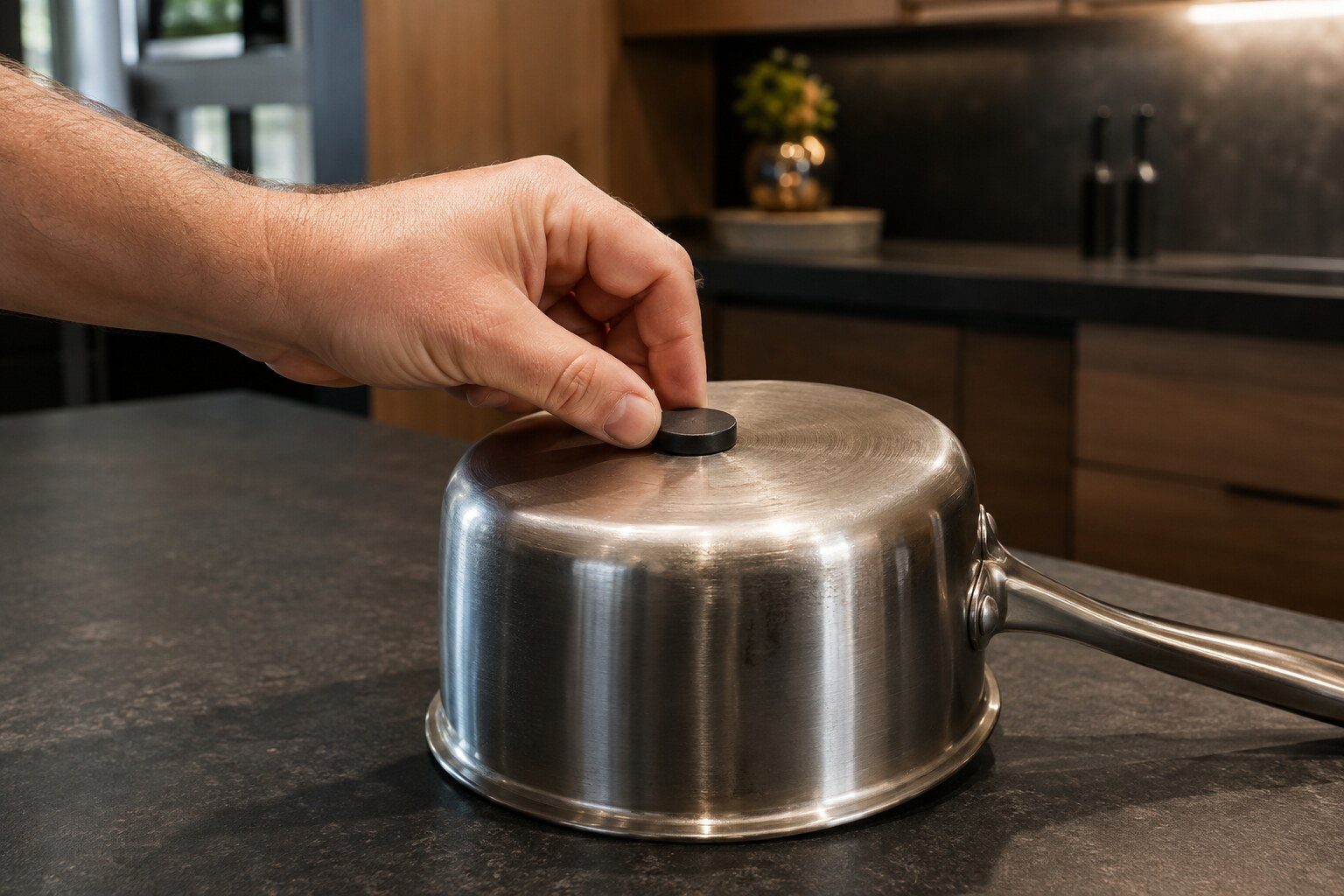
Do three things in order and most of these end at the first. Hold a magnet against the base of the pan — if it does not stick firmly, induction cannot heat it and the appliance is behaving exactly as designed. Then check the control lock: a cloth wiped across the glass switches it on by itself, and a locked top looks completely dead. Then find out whether it is one zone, one side or the whole surface, because those are three different repairs. Move a pan you know works onto the zone that failed, and move the failing pan onto a zone that works. One zone points at its coil or the power module under it. A whole side points at the module driving that side or at the supply to it. The whole top points at power, the control, or a top that has decided it is too hot.
The full guide
Nothing burns, so nothing burns out
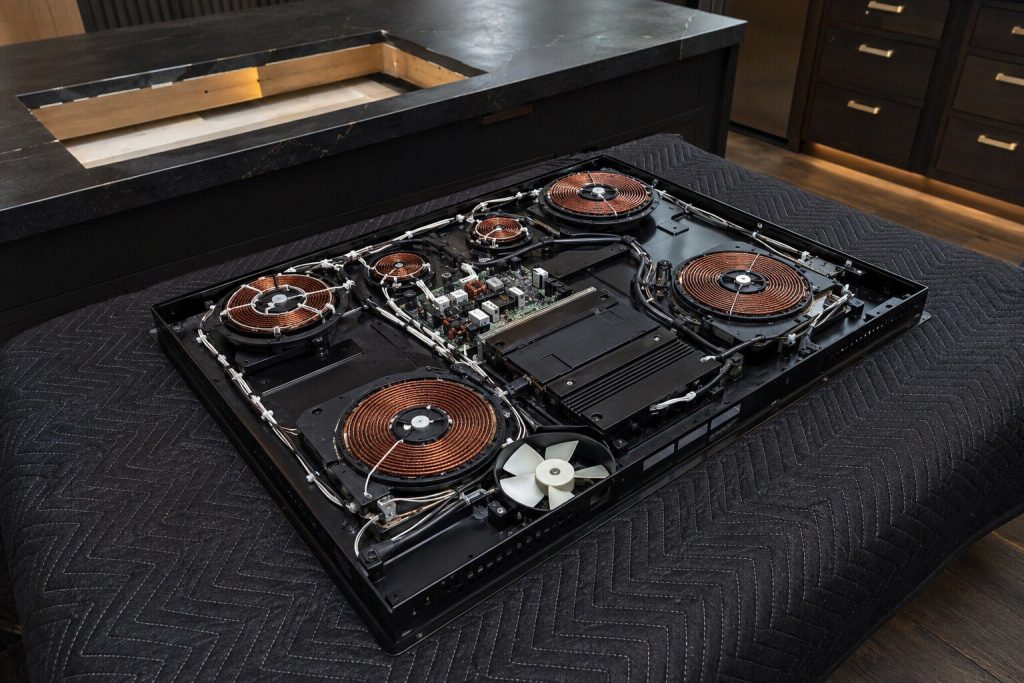
An induction top has no flame, no element and nothing that glows. Under the glass each cooking position is a coil, and behind the coils are power modules that switch current through them at high frequency. The pan is the heating element. That is the whole idea, and it produces a set of behaviors that nobody who has cooked on gas expects.
The first of them is that the appliance refuses cookware it cannot work with, and refusing is not failing. The second is that the electronics protect themselves rather than break, so a top that is in trouble gets weaker before it stops. Both of those look like problems and neither is a repair.
The five-second test
Hold a magnet against the base of the pan. If it grips firmly, the pan is fine. If it slides off or holds weakly, induction cannot couple to it and no amount of repair will change that.
This is worth doing before anything else because a startling share of these calls end here. Pans get replaced, sets get given as presents, and a beautiful heavy copper pan is completely invisible to an induction zone. So is a good deal of stainless — the alloy matters more than the price.
While you are there, check the size. Each zone has a minimum pan diameter and will simply ignore anything smaller. A small milk pan on a large zone is a common false alarm.
The lock nobody switched on
Every glass control surface in this kitchen has a control lock, and it exists to stop a child or a stray hand starting an appliance. It is also switched on constantly by accident, because a wet cloth dragged across a touch surface is a series of presses as far as the panel is concerned.
A locked top beeps and does nothing, or does not even beep. It looks exactly like a dead appliance. Clearing it is holding one pad for a few seconds — the exact pad differs by model and is in the manual — and it is the second free answer on this page.
One zone, one side, or all of it
Once cookware and the lock are eliminated, the useful question is scope, and you can answer it yourself with two pans and a minute.
One zone. The coil under that position, or the power module that drives it. A defined repair with a defined part.
Two zones on the same side, together. Now it is the module that serves that side, or the supply to it. Larger, and worth knowing before anybody arrives.
Everything. Power first — a double-pole breaker with one leg tripped is common and gives the appliance half of what it needs while the display carries on working. Then the control. Then a top that has shut itself down thermally.
Telling us which of the three you have changes what is on the van, and it is the difference between one visit and two.
Power that fades is a warning, not a failure
A zone that starts at full power and quietly drops after ten minutes is doing something deliberate. The modules under the glass are cooled by a fan through an air path the installation was supposed to leave clear, and when they cannot shed their heat they reduce output to protect themselves.
The cook experiences that as an appliance getting weaker over a year. What is actually happening is that the cooling has been getting worse — a drawer packed to the back, a plinth added during a remodel, a filter or a vent that has silted up. Catching it at the fading stage is far better than catching it when a module has failed, because at that point the fix is often clearance rather than parts.
This is also the reason we ask what is in the drawer under the appliance, which sounds like an odd question and is not.
What a professional induction range adds
On the induction professional ranges the same technology sits over an oven, which means the electronics under the glass have a heat source beneath them as well as above. Everything on this page still applies, and the cooling path matters more rather than less. An oven that has just run a long roast and a top that starts reducing power afterwards is not a coincidence.
When it is genuinely a repair
When the pan is magnetic, the lock is off, the breaker is sound, and a zone or a side stays dead. Then the coil and the module are measured rather than replaced in order of price, and the top is run at full power on every zone for long enough to make an intermittent thermal problem reappear — because these come back when things get hot and not before.
That last part is why an induction diagnosis takes longer than a gas one. A burner that will not light will not light while you watch. A module that trips at temperature will behave perfectly for the first ten minutes of any visit that does not plan for it.
What a professional induction range adds to the picture
On the induction ranges the same technology sits over an oven, and that changes one thing that matters: the electronics under the glass now have a heat source beneath them as well as pans above.
Everything on this page still applies, and the cooling path matters more rather than less. An oven that has just run a long roast, followed by a top that starts reducing power, is not a coincidence — it is thermal protection doing exactly what it is for.
It also means the diagnosis takes longer on a range than on a drop-in cooktop, because reproducing the condition means running the oven as well as the zones. A visit that plans for that finds it; one that does not sees a perfectly behaved appliance for twenty minutes.
Noises that are not problems
Induction is not silent, and three of its noises get reported as failures.
A hum or buzz at high power. Usually the pan rather than the appliance. Multi-ply bases resonate, and a different pan makes a different noise or none at all.
A fan running after cooking has stopped. Correct and important. The cooling fan continues until the electronics under the glass are back down to temperature, and an appliance that did not do that would be shortening its own life.
A faint clicking at low power. Low settings are achieved by pulsing power rather than by reducing it continuously, and on some pans that pulsing is audible.
None of the three is a repair, and knowing that saves a call.
Cookware, in a little more detail
The magnet test is the whole answer, but it is worth knowing what makes a pan work well rather than merely work.
A thick, flat, ferrous base couples efficiently and heats evenly. A thin base can work and will hot-spot. A warped base — and cast iron dragged across glass warps eventually — sits proud in the middle and heats badly while scratching the top.
Base diameter matters as much as material. A pan noticeably smaller than the zone will either be ignored or will heat only its center, and on some models that reads as a zone that "does not work with this pan" when in fact it is working exactly as specified.
Before you book, the four sentences that help
Which zones work and which do not. Whether a magnet sticks to the pan you were using. Whether the top has ever dropped power on its own during a long cook. And what is in the drawer or the cabinet directly underneath.
The last one sounds irrelevant and is not: it is the most common cause of thermal behavior on this appliance, and it is the cheapest thing on the list to put right.
If it turns out to be a repair
What this leads to, and what it costs
Every job on this site is priced the same way: an on-site diagnostic first, the figure agreed in writing before anybody starts.
-
One zone dead, or the power dropping by itself Induction zone not working
Induction has no flame and no element — each position is a coil and a power module underneath, so the problems are electronic and heat-related. And it has the cheapest possible outcome of any call on this site: a pan that is not magnetic.
- A magnet settles it in five seconds
- One zone and one side are different problems
- Power dropping by itself is thermal protection
-
from $265 Induction cooktop repair
Induction has no flame and no element — each position is a coil and a power module underneath, and the failures are electronic. Zones that stop responding, zones that reduce power on their own, or a whole side that shuts down. Heat is the enemy of the modules, so the cooling path is part of the diagnosis rather than an afterthought.
- Cookware ruled out in five seconds with a magnet
- Cooling fan and air path treated as part of the problem
- One zone and one side are different problems
-
Deep-recessed gas · induction · 36 and 48-inch professional rangetops Cooktops and rangetops
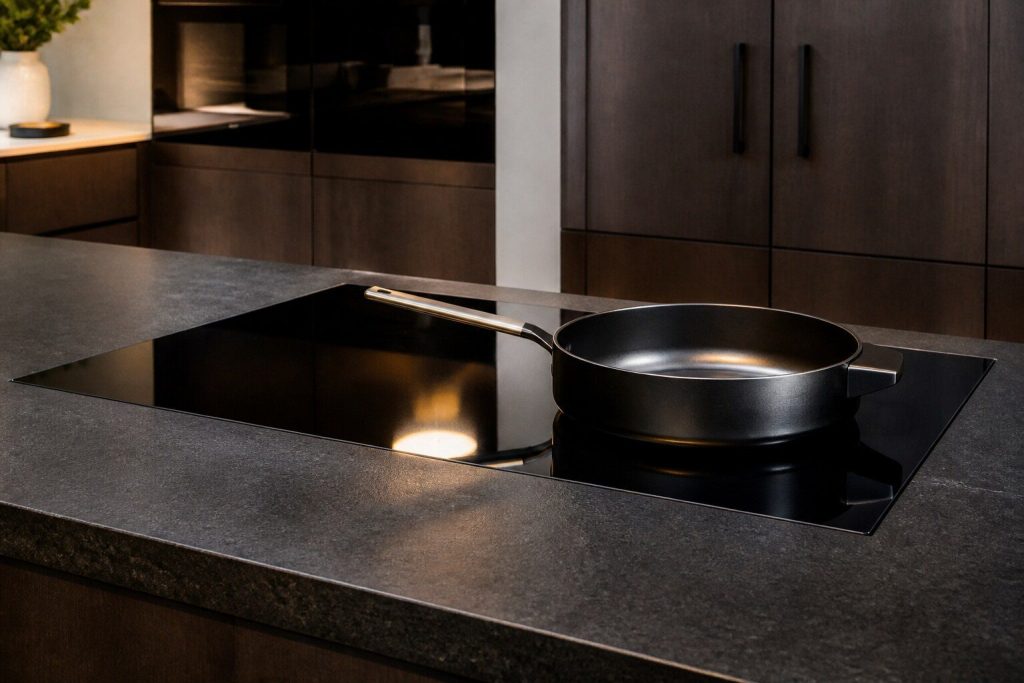
Two appliances that people describe with the same word. A cooktop drops into the counter and has nothing underneath it; a rangetop is a professional cooking surface with a finished front and a wall oven or cabinetry below. Monogram builds both — deep-recessed gas and induction cooktops in 30 and 36 inches, and 36 and 48-inch gas rangetops with griddles.
- Gas and induction cooktops, 30 and 36 inches
- 36 and 48-inch professional gas rangetops with griddle options
- Induction problems are electronic and heat-related

Questions people ask about this
It worked with my old pans.
Then the pans are the difference. Induction needs a base a magnet will hold to, and manufacturers change what they use without changing what the pan looks like. Copper, aluminum and a good deal of stainless will not work and never would have.
It keeps dropping power on its own during a long cook.
That is thermal protection rather than a failure. The electronics live in a shallow space under the glass and reduce power when they cannot shed their own heat. The usual causes are a blocked air path — a drawer packed to the back, or an installation with less clearance than the specification asks for. It is worth catching at that stage, before the module fails outright.
The zone buzzes on high with some pans.
Normal, and it is the pan rather than the appliance. A multi-ply base can resonate at high power. A different pan makes a different noise.
The whole top is dead and the display shows nothing at all.
Check the breaker properly — off, then on, rather than a glance. An induction top is usually on a double-pole breaker, and one leg tripped gives the appliance half of what it needs. After that it is the supply or the control, and it is a visit.
Common Problems
More guides like this one
-
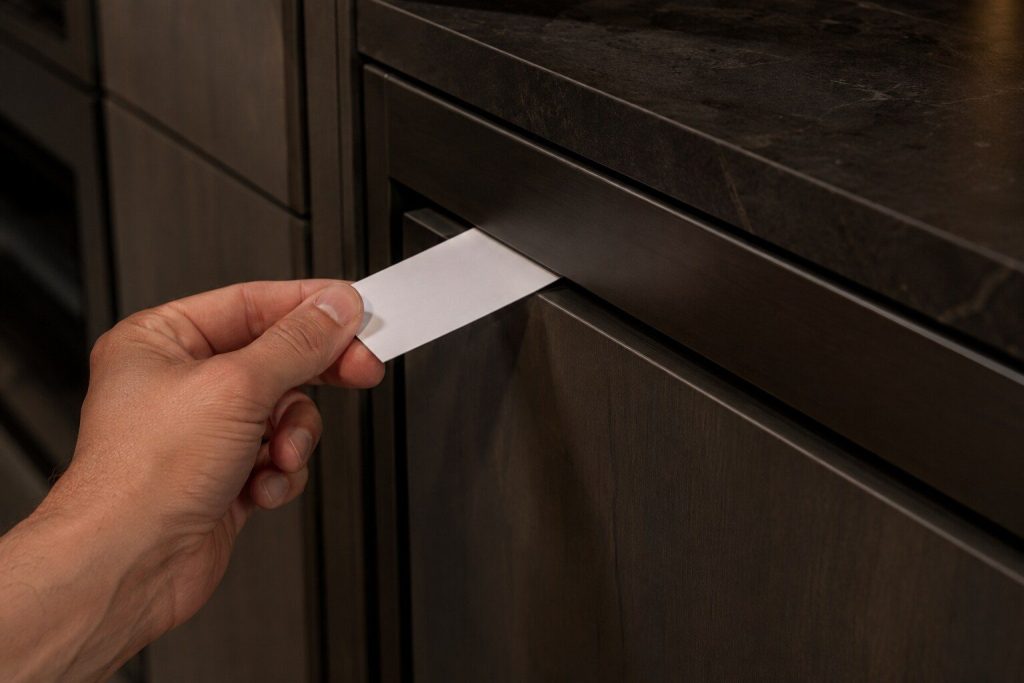
A Door That No Longer Seals: The Paper Test and the Panel Behind It
Two minutes of paper decides whether to call anybody. On integrated cabinetry the door is usually the problem and the gasket usually is not.
Read more -
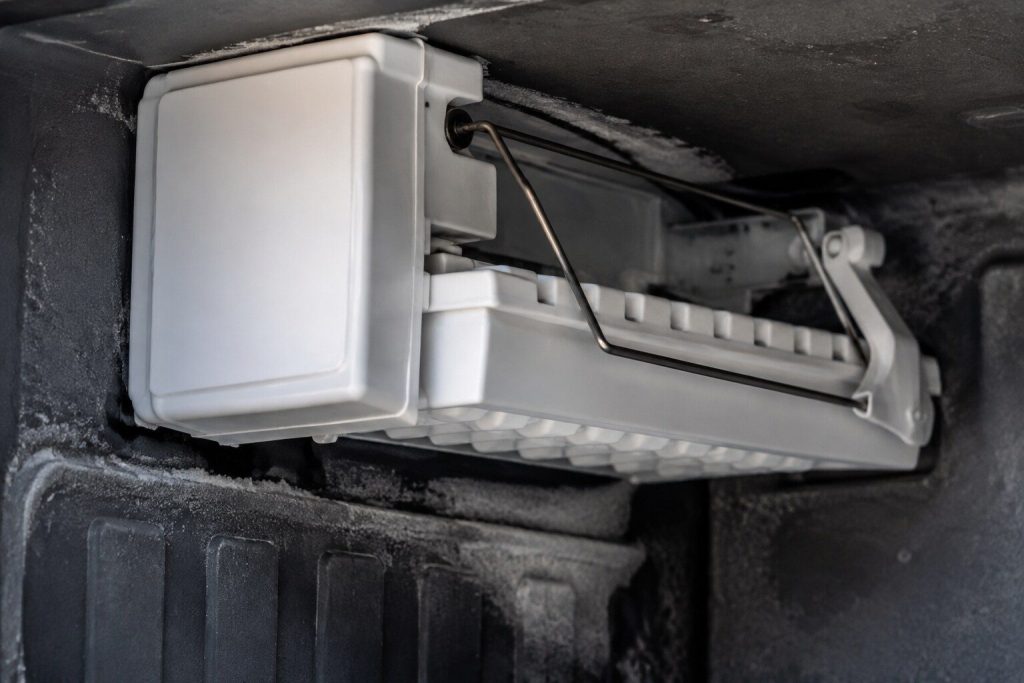
A Monogram Ice Maker That Has Stopped: Cabinet, Water, Module, In That Order
Half of these are not ice maker problems at all. Production is a function of how cold the cabinet is, and the free checks come first for a reason.
Read more -
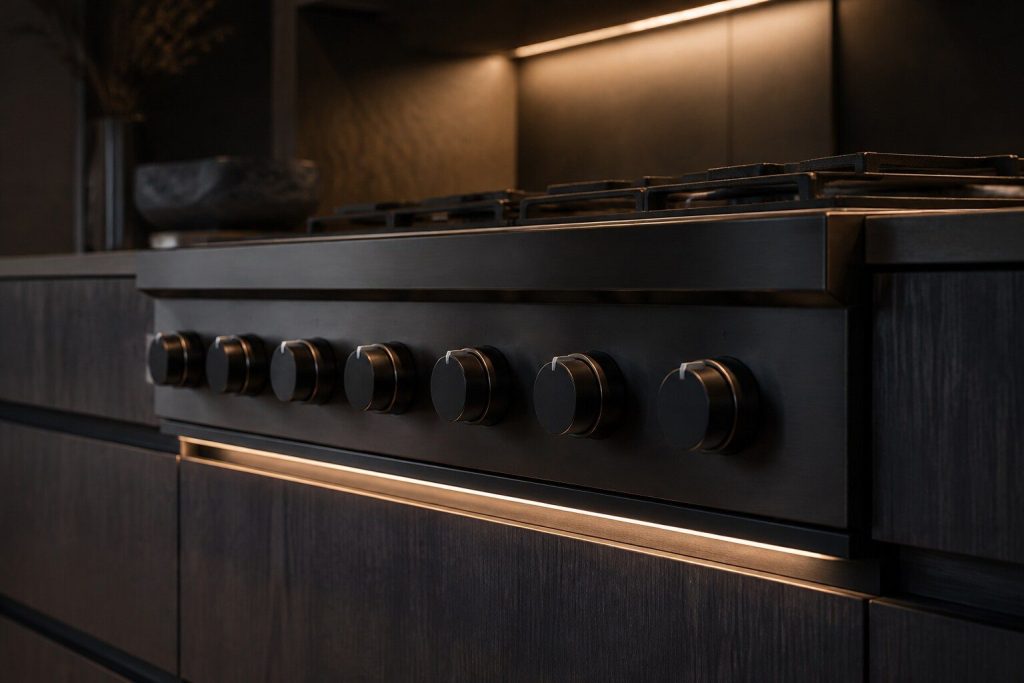
The Accent Lighting on a Professional Range, and Why It Goes Alone
Lighting on these ranges is its own circuit with its own driver. Lights that have gone while everything cooks perfectly is not a sign of anything larger.
Read more
Tell us the model number and what it is doing.
This article is based on:
- Official manufacturer documentation
- Internal repair procedures
- Technician repair history
- Company quality standards