Appliance
Monogram professional ranges
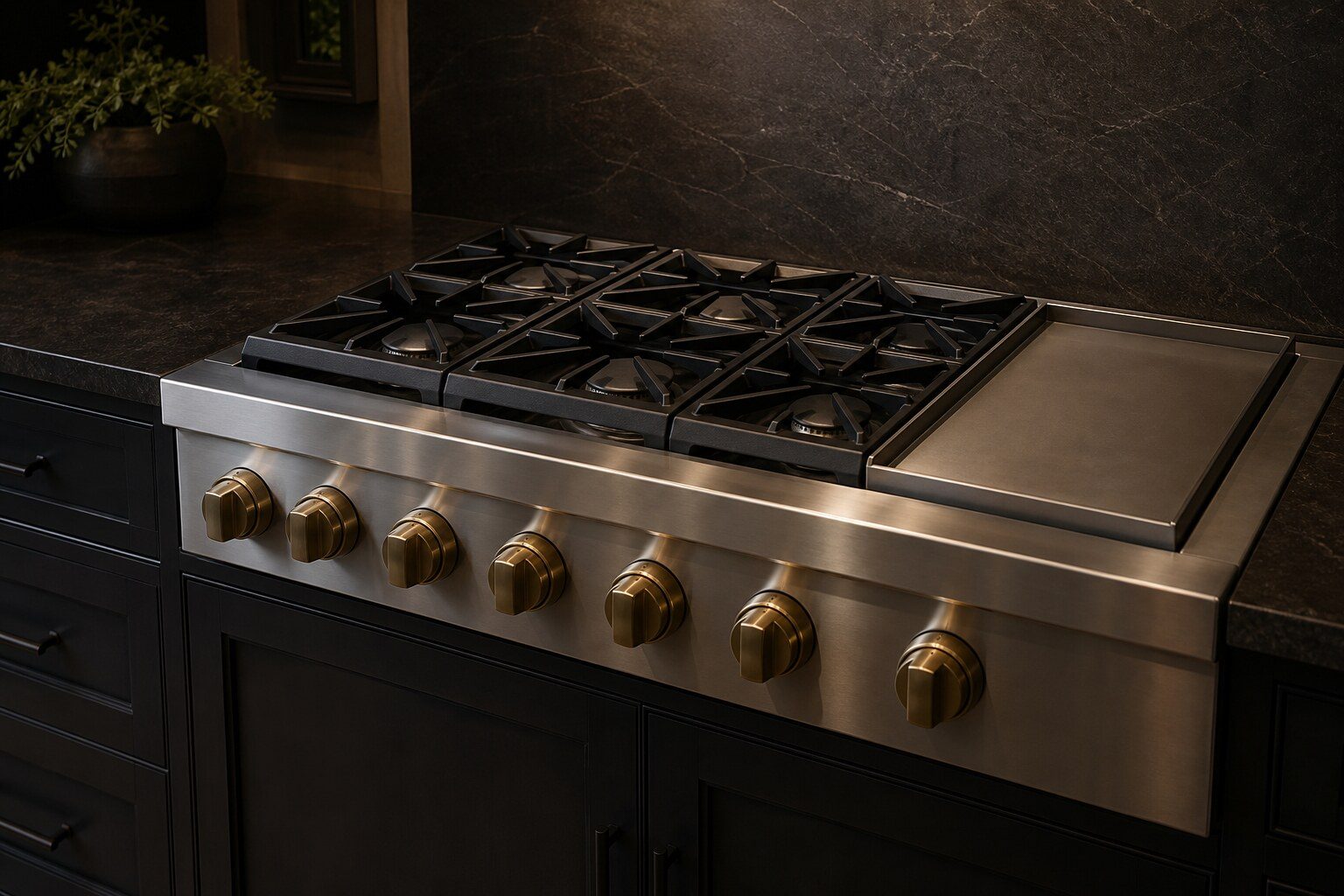
Monogram does not make an ordinary range. The line is professional: 30, 36 and 48 inches, dual-fuel with a gas top over an electric oven, all-gas throughout, or induction — with griddles and grills on the wider models. A 48-inch dual-fuel range is a gas appliance, an electric appliance and a ventilation problem in one piece of steel, and the diagnosis starts by working out which of the three is talking.
- 5 symptoms we are called out to
- From $95 diagnostic, credited to the repair
- 59 cities and neighborhoods covered
- OEM parts available on order
The short version
What this equipment is, for a repair
Configurations
30, 36 and 48-inch · dual-fuel, all-gas and induction
Access
Planned before the visit, not discovered on arrival
Parts
OEM, available on order
Diagnostic
From $95, credited to the repair
What goes wrong with it
Symptoms we are called out to on Monogram professional ranges
Each one covers the likely causes in the order they are worth checking, and what to do in five minutes before booking anything.
-
It lights up, and nothing gets hot Oven not heating
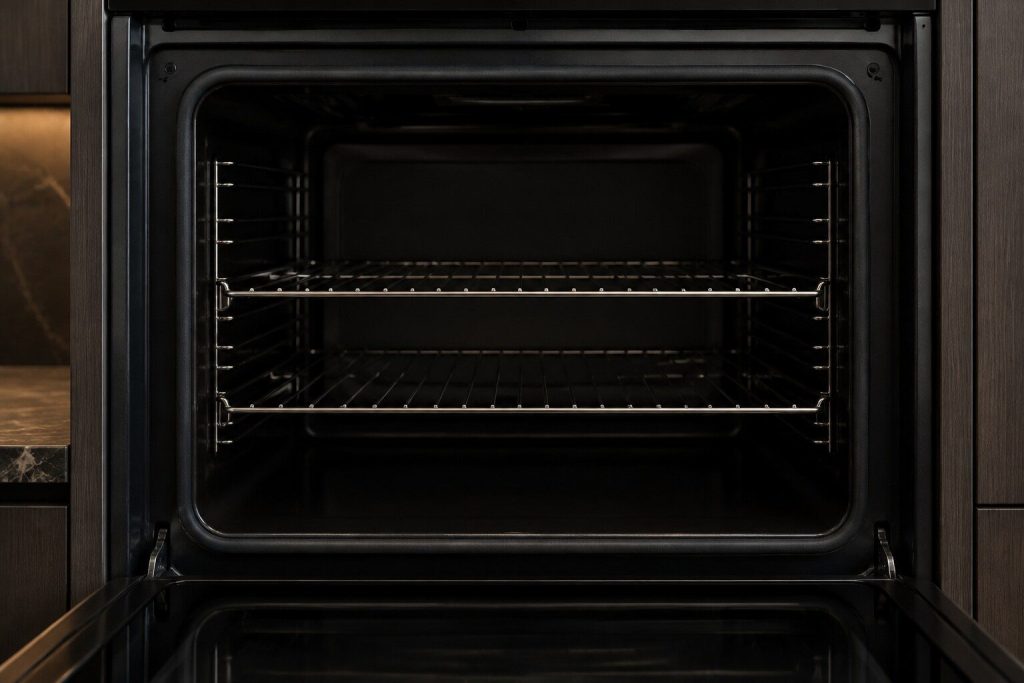
An oven that responds to the controls and produces no heat. On a dual-fuel range this affects the electric oven while every gas burner keeps working perfectly, which confuses people into thinking half the appliance is fine. It is.
- Bake and broil are different elements
- On a dual-fuel range the top is unaffected
- F codes name the circuit that is talking
-
After a self-clean cycle, usually Oven door locked and will not open
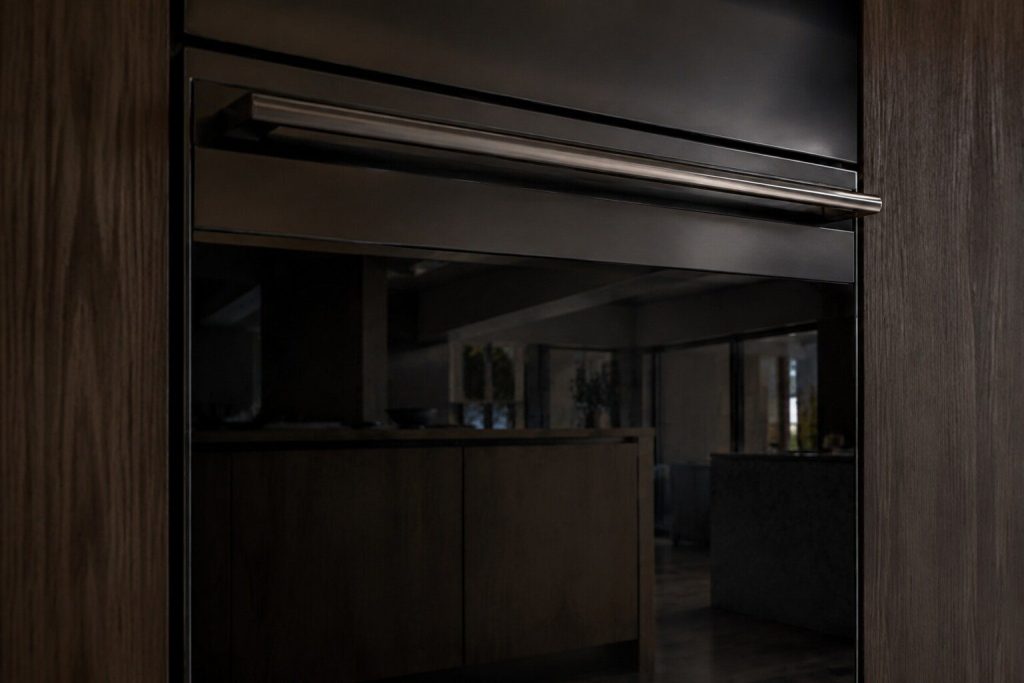
The door locked during self-clean and has not released. A large share of these calls end with the honest answer that the cavity is still too warm — the lock releases on temperature, not on time, and after a full cycle that can take hours.
- It releases on temperature, not on time
- F9 and FC name the latch circuit
- Never force it
-
It heats, but not to the number on the dial Oven cooking too hot or too cold
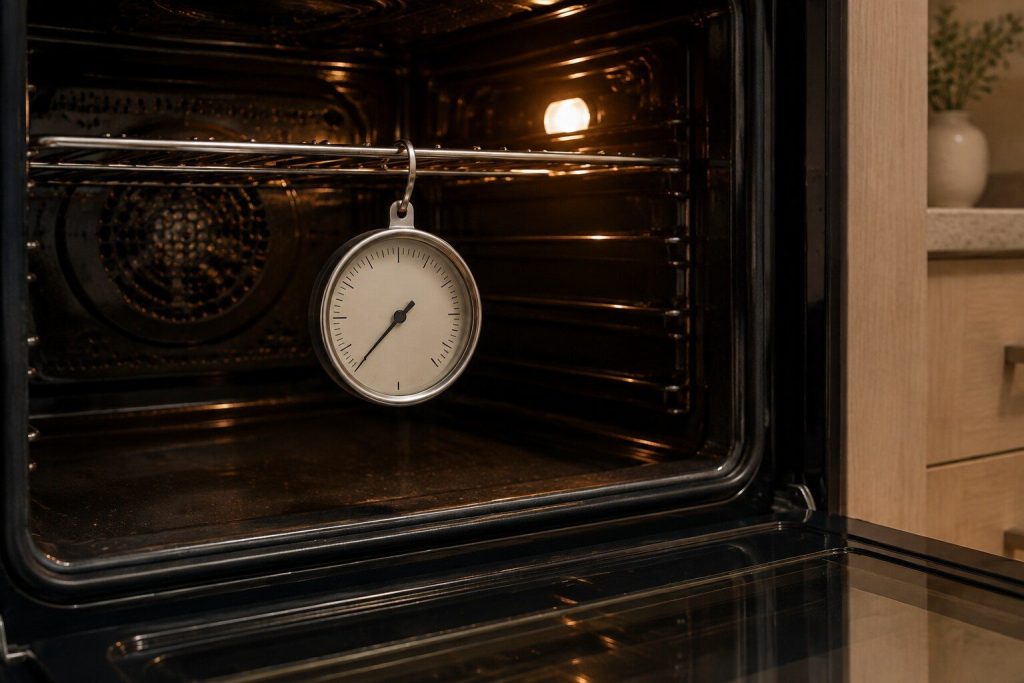
An oven that is consistently out by 25 or 30 degrees does not need a part; it needs the calibration offset it already has. An oven that swings, overshoots or throws a code is a different conversation. Telling those two apart before touching anything is most of this job.
- A steady offset is calibration
- A swing is the sensor or the control
- Measure after a full preheat, not two minutes in
-
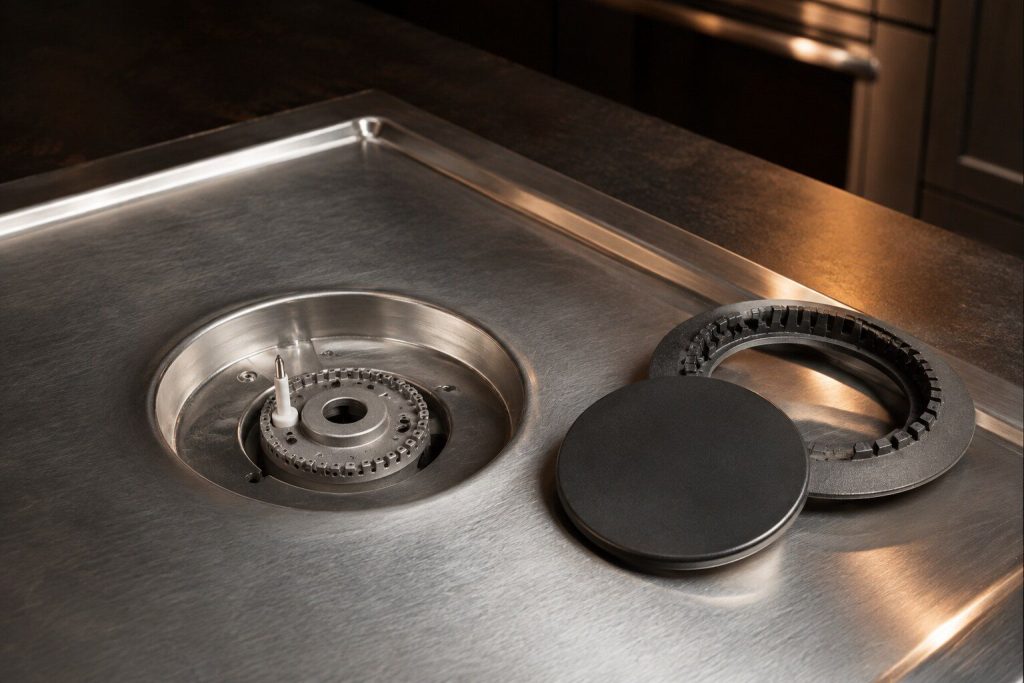
It clicks and clicks and nothing happens Burner will not light
One burner that sparks and will not light while the others are fine. Before any part is ordered there is a check that resolves a large share of these for nothing: the burner cap, which comes off for cleaning and goes back in an orientation that matters.
- Re-seat the cap before ordering anything
- One burner and all burners are different problems
- Continuous clicking is usually moisture
-
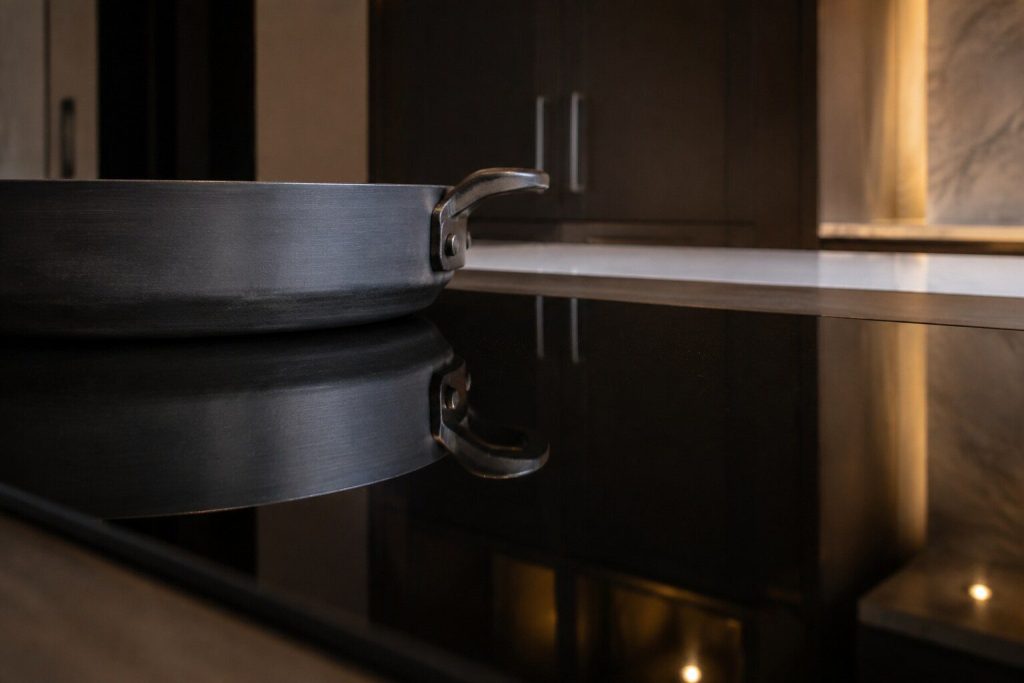
One zone dead, or the power dropping by itself Induction zone not working
Induction has no flame and no element — each position is a coil and a power module underneath, so the problems are electronic and heat-related. And it has the cheapest possible outcome of any call on this site: a pan that is not magnetic.
- A magnet settles it in five seconds
- One zone and one side are different problems
- Power dropping by itself is thermal protection
What we do on it
Repairs we carry out on Monogram professional ranges
Starting figures for this equipment in South Florida. The exact cost is confirmed after an on-site diagnostic — and this is not the whole list of what can go wrong, so call if your problem is not here.
-
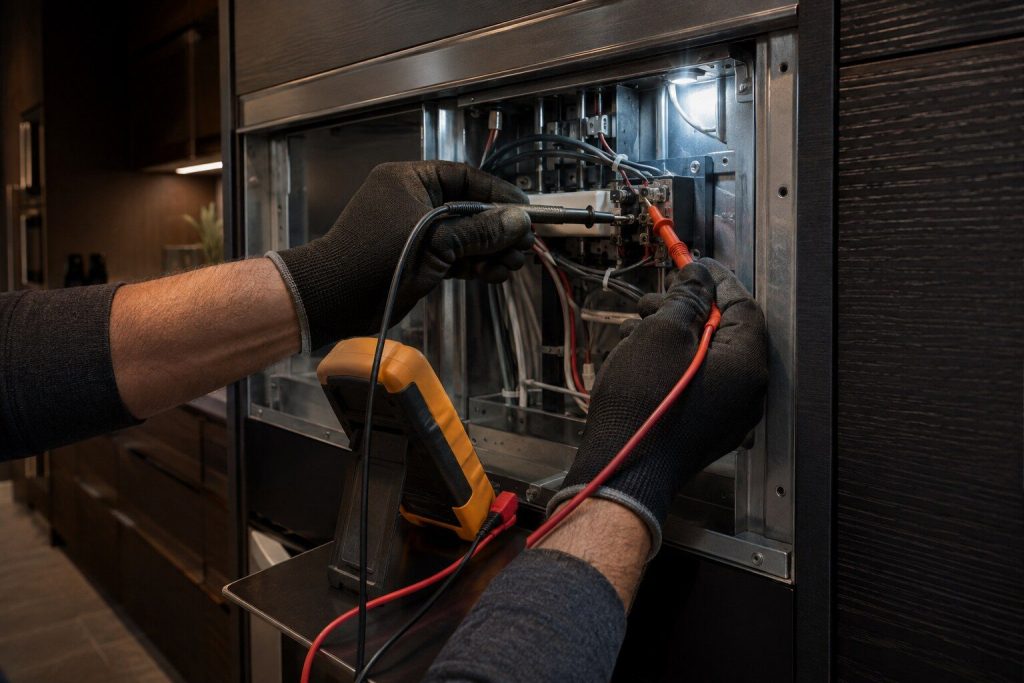
from $95 Diagnostic visit
Nothing is named until something has been measured. On built-in appliances the visit also has to plan its own access before it starts: a column comes out from the front, a panel-ready door comes apart in an order, and a wall oven that has to move needs two people and a plan. We do that thinking before we arrive rather than in your kitchen.
- The model number first, because it decides the access
- What the appliance reports, read against the published table
- Credited toward the repair when you go ahead
-
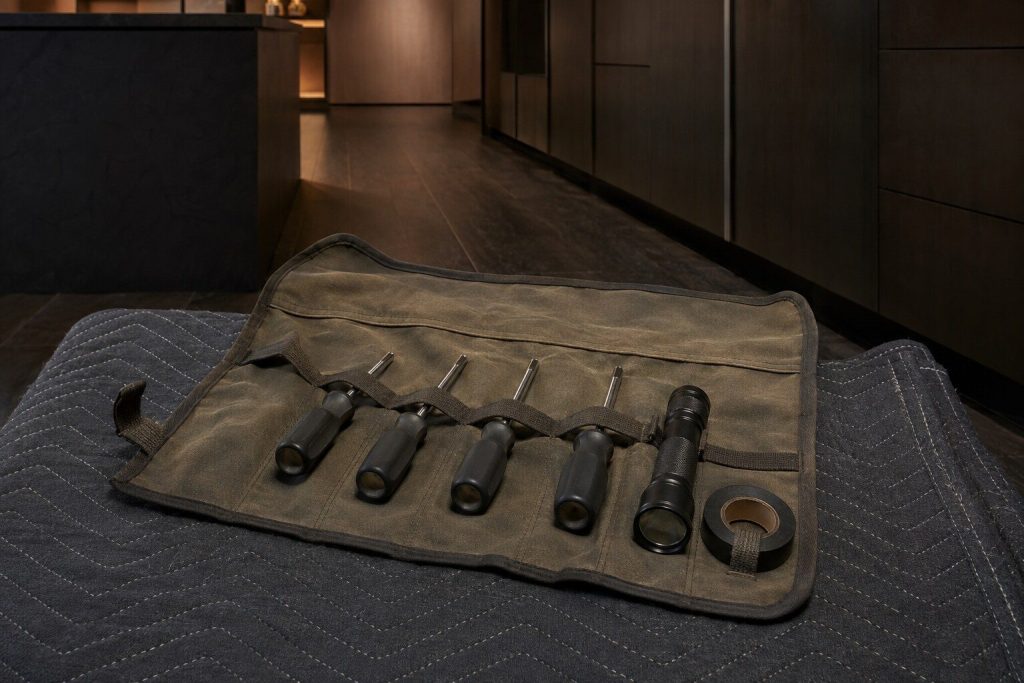
from $145 Appliance maintenance
The visit that exists to stop the other visits. On built-in appliances in a salt-air climate the two things that shorten life are both invisible: a condenser that has silted up behind its grille, and door seals that have quietly stopped sealing. Neither shows on a display. Both are cheap to deal with and expensive to ignore.
- Condensers cleaned and airflow checked
- Seals, hinges and panel alignment across the kitchen
- Filters, drains and water circuits attended to
-
from $175 Appliance installation
Built-in appliances are installed once and lived with for twenty years, and most of the long-term problems we are called to were decided on installation day: a clearance that was shaved, a drain that has no fall, a hood ducted through one elbow too many. Getting it right the first time is cheaper than any of the repairs it prevents.
- Clearances and ventilation to the specification, not to the opening
- Water, gas and drain connections tested under pressure
- Panels hung and doors set level with the run
-
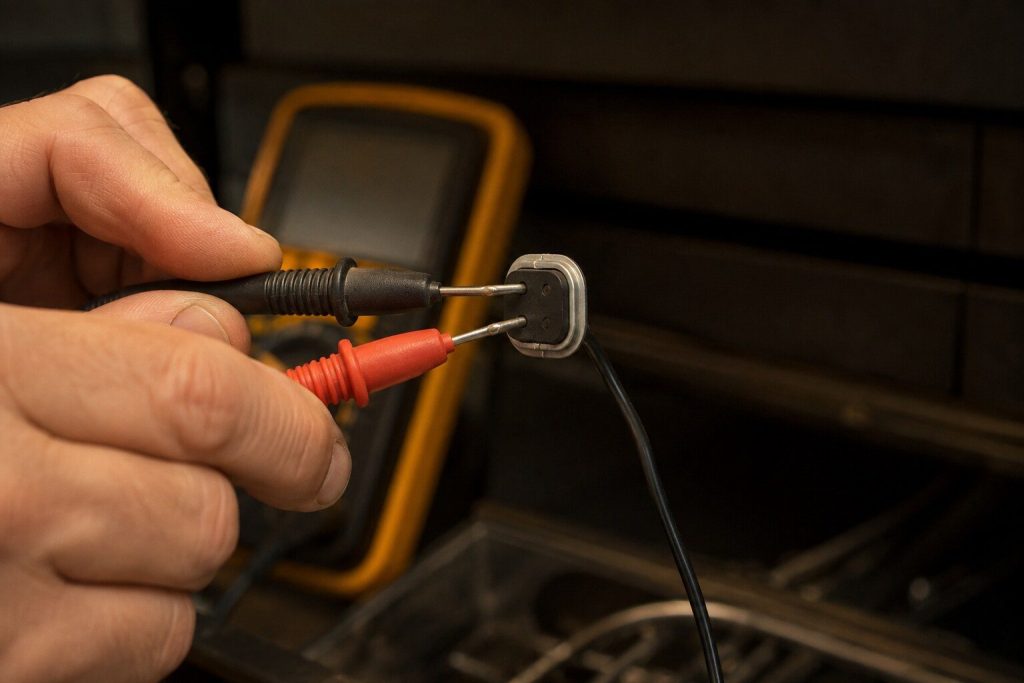
from $165 Temperature sensor replacement
A sensor is a resistor that reports temperature, and when it drifts the appliance obeys it faithfully — running a cabinet warm, an oven cold, or throwing a code that names the circuit outright. It is one of the most satisfying repairs on the list because the part is measurable: either it reads what it should at a known temperature or it does not.
- Measured against specification, not swapped on suspicion
- The wiring between sensor and control checked too
- Covers both refrigeration and cooking
-
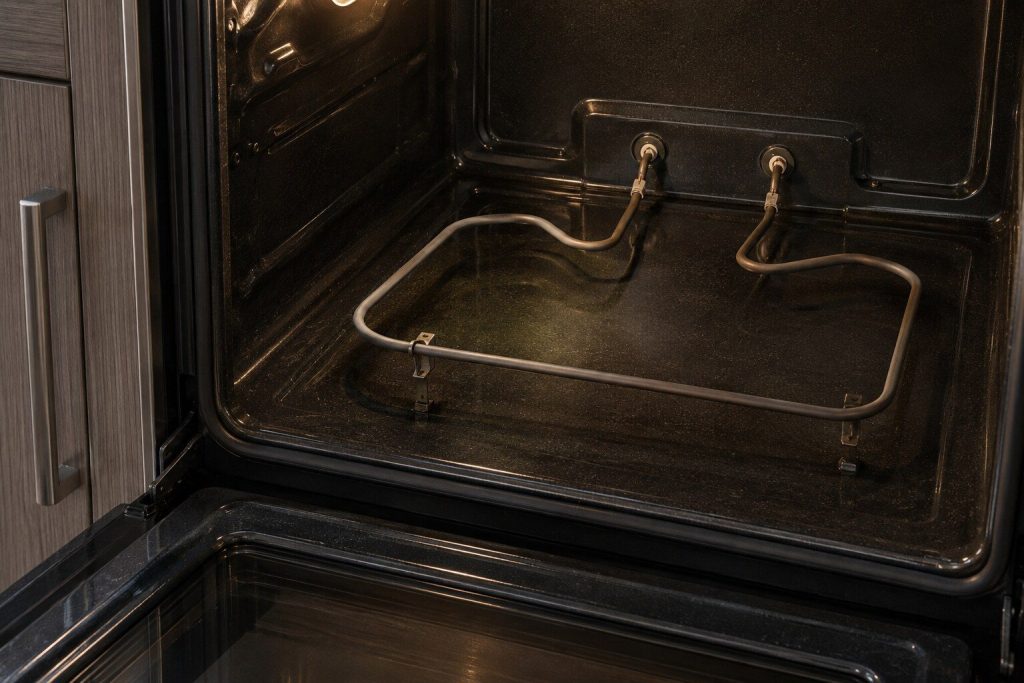
from $185 Oven element replacement
An oven that will not reach temperature, browns on one side, or has visibly failed at a connection. Bake and broil elements are measurable parts — either the resistance is in specification or it is not — which makes this one of the few problems where the diagnosis is unambiguous.
- Elements measured, not swapped on suspicion
- The wiring and terminals checked as well
- Calibration verified afterwards
-
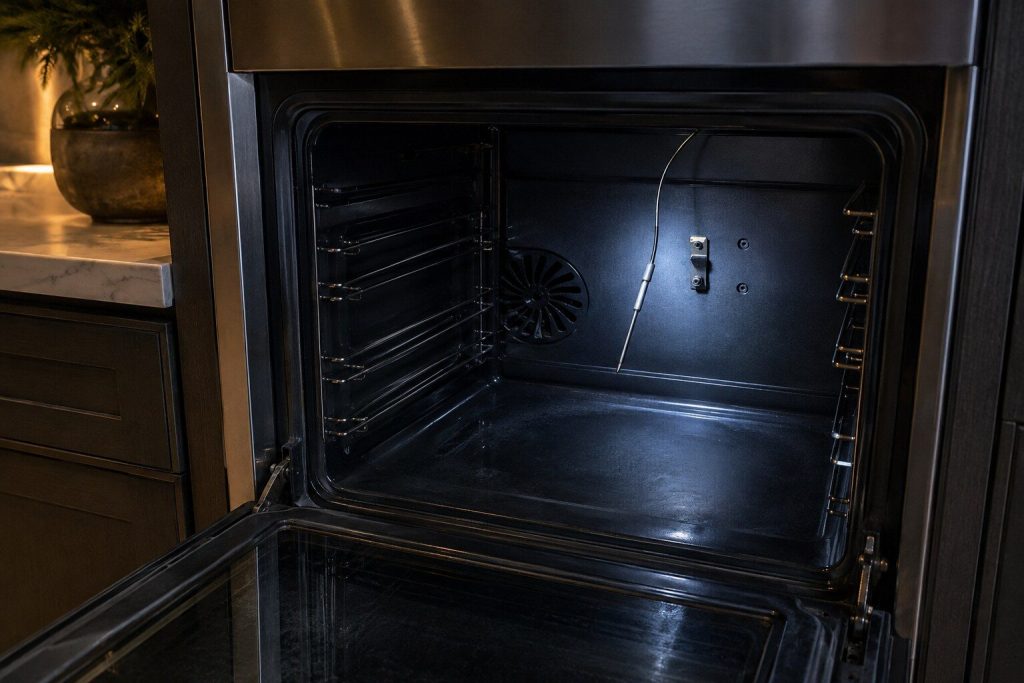
from $155 Oven sensor and calibration service
An oven that is consistently out by 25 or 30 degrees is a calibration question. An oven that swings, overshoots or throws F2, F3 or F4 is a sensor and control question. Telling those two apart before touching anything is most of this job.
- Drift and swing treated as different problems
- F3 and F4 name this circuit directly
- Offset set against a reference, not by feel
-
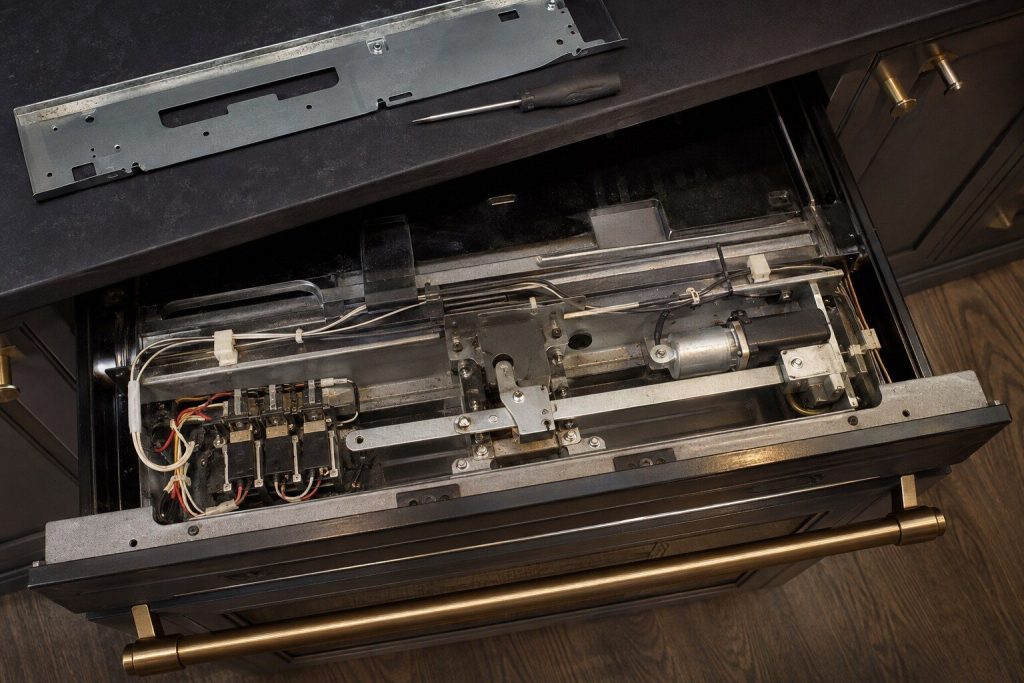
from $195 Oven door lock repair
The door locked during self-clean and has not released, or the oven refuses to run because it believes the door is not shut. On these ovens the latch is a motorized assembly reported by F9 and FC, and forcing a locked door turns a modest repair into an expensive one.
- F9 and FC name the latch circuit
- Almost always appears after a self-clean cycle
- Never forced open
-
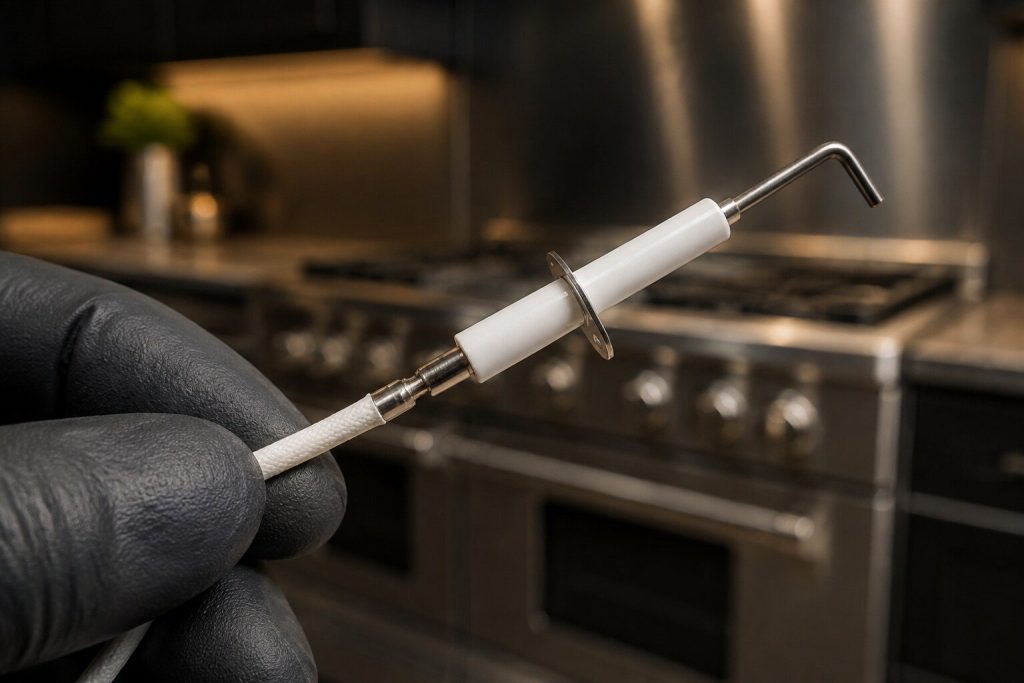
from $175 Surface igniter replacement
One burner sparks and will not light while the others are fine. Before any part is ordered there is a check that resolves a large share of these calls for nothing: the burner cap, which comes off for cleaning and goes back in an orientation that matters. A cap sitting a millimeter proud will spark forever and never light.
- Cap seating checked before anything is ordered
- Igniter, port and harness measured
- Continuous clicking is usually moisture
-
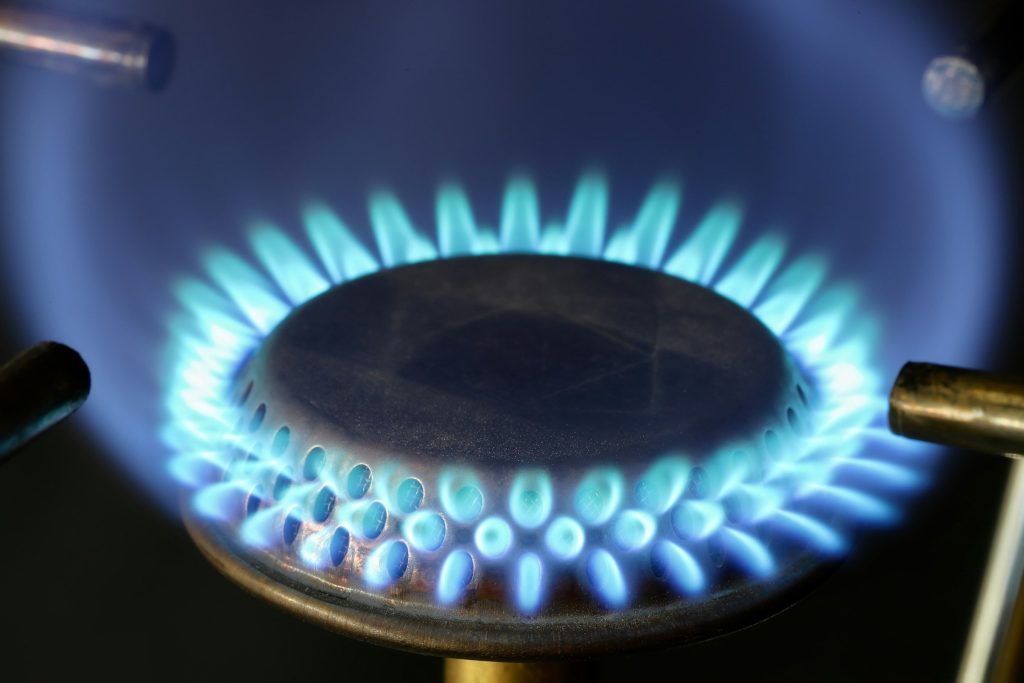
from $195 Gas burner and valve service
Flames that are yellow, uneven, or that will not turn down far enough to simmer. On a professional top the burners are serviceable — caps, rings, ports and the valve behind the knob — and most of these complaints are a cleaning and adjustment job rather than a replacement.
- Flame quality assessed burner by burner
- Valves cleaned and re-greased where the design allows
- Simmer performance set properly
-
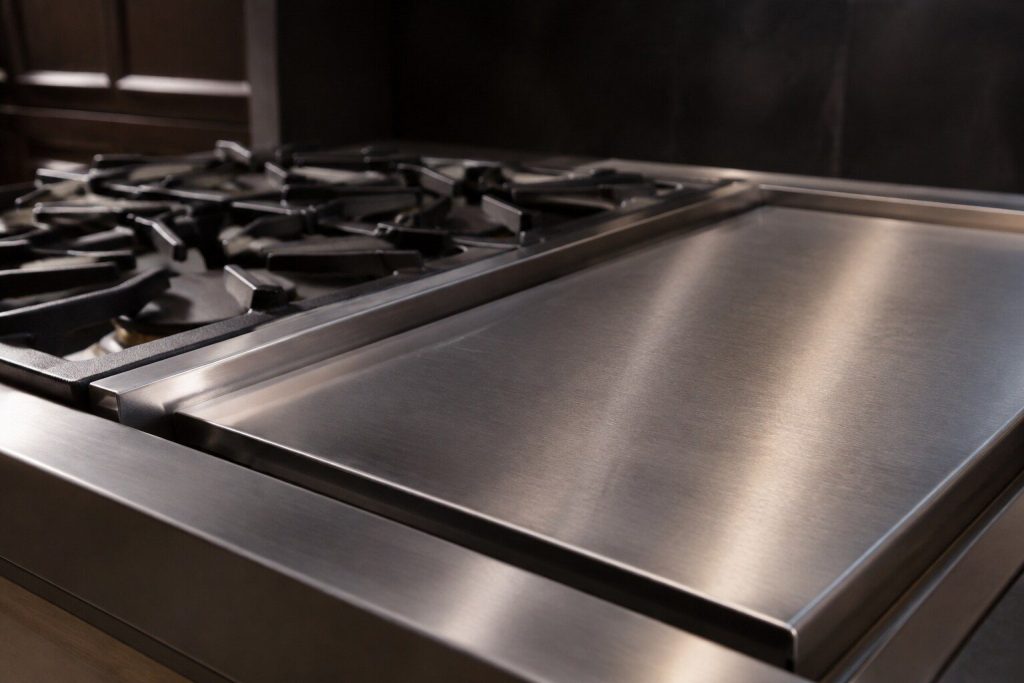
from $205 Professional griddle and grill repair
The sections that make a 48-inch range a professional range, and the sections that get the hardest use. A griddle has its own burner or element and its own temperature control; a grill has its own burner, its own grease management and a genuine ventilation dependency. Both are separate repairs from the burners beside them.
- Griddle and grill diagnosed as their own appliances
- Grease management included, because it causes the rest
- Ventilation checked alongside
-
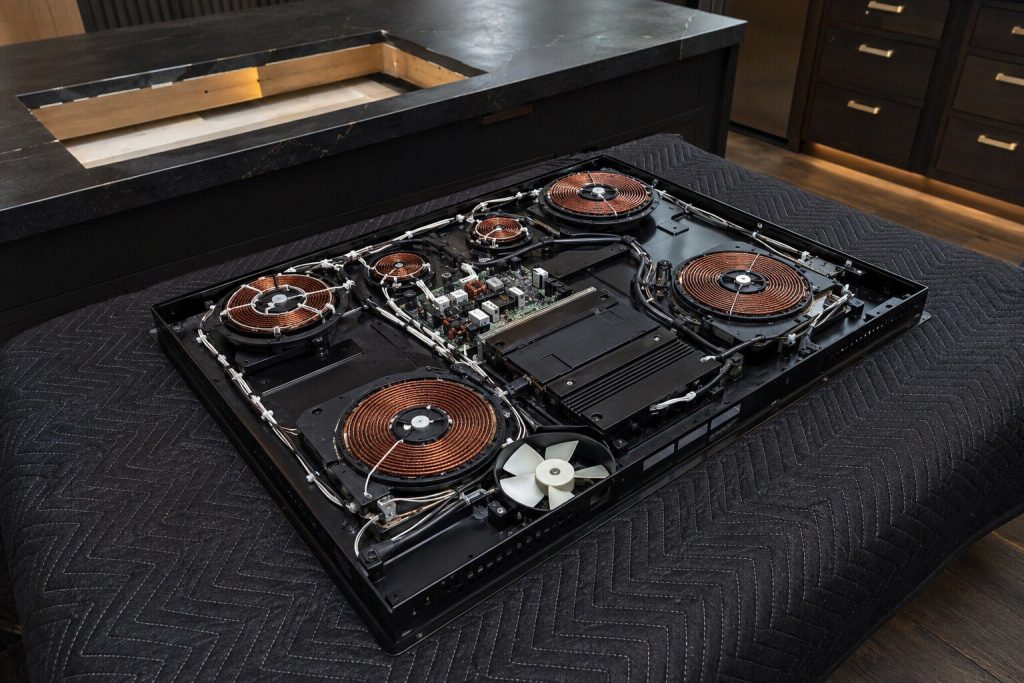
from $265 Induction cooktop repair
Induction has no flame and no element — each position is a coil and a power module underneath, and the failures are electronic. Zones that stop responding, zones that reduce power on their own, or a whole side that shuts down. Heat is the enemy of the modules, so the cooling path is part of the diagnosis rather than an afterthought.
- Cookware ruled out in five seconds with a magnet
- Cooling fan and air path treated as part of the problem
- One zone and one side are different problems
-
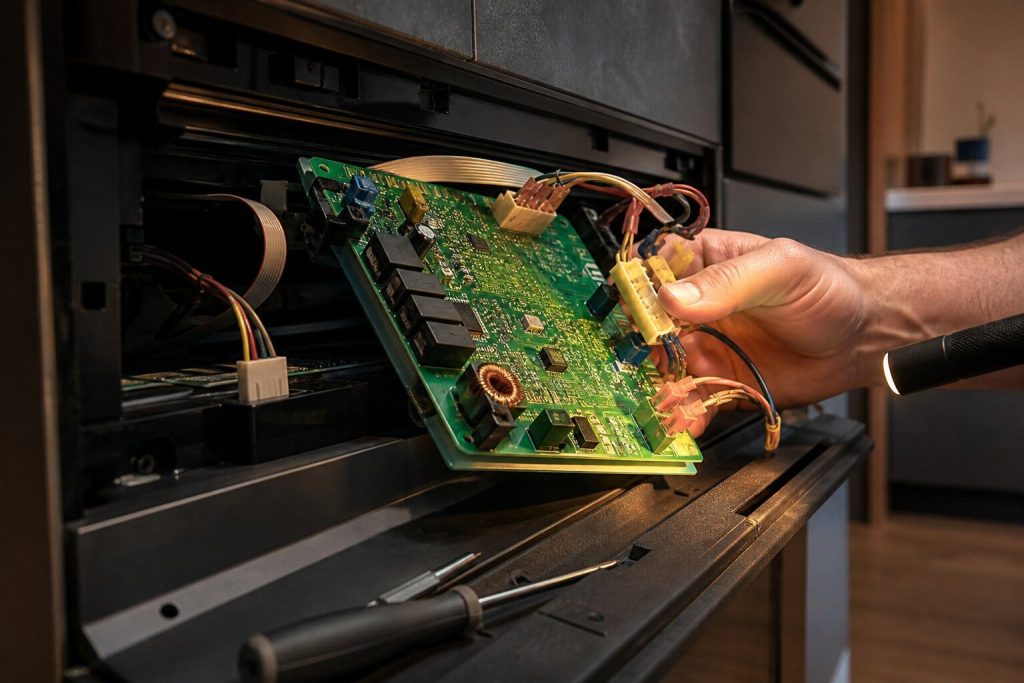
from $295 Appliance control board repair
The repair reached last and reached for first by the internet. A control board is expensive, frequently blamed and comparatively rarely the problem — most of what gets called a board failure is a sensor, a harness or a connector that has corroded in coastal air. Boards are condemned here by measurement.
- Everything the board depends on tested first
- Connectors and harnesses are the usual real cause
- Codes that name the control taken seriously, not literally
In more detail
About Monogram professional ranges
A professional range is three appliances in one frame
Monogram's ranges are 30, 36 and 48 inches, in dual-fuel, all-gas and induction. On a dual-fuel model the top is gas and the oven is electric, which means two entirely separate systems with separate problems — and a customer whose oven is dead while every burner works perfectly, or the reverse. The wider models add a griddle, a grill or both, and each of those is its own burner, its own control and its own repair. Before anything else, a good diagnosis establishes which of these systems is the one you are describing.
The gas top
Sealed professional burners with removable caps and rings. The most common call is one burner that clicks and does not light, and the most common cause is not a part at all — it is a cap that has been put back a fraction off its seat after cleaning. After that comes the igniter and the port, both ordinary repairs. A grill section adds its own set: grease management, the burner under the grates, and the fact that a grill inside a house needs ventilation that actually works.
The oven, and the F codes
The oven side runs GE Appliances' control platform and displays the F code family. F3 and F4 are the temperature sensor, open and shorted. F2 is over-temperature. F0 and F7 are the keypad. F9 and FC are the door latch, which is why they show up after self-clean. Our error-code archive carries each of them separately, because the difference between a sensor and a control board is the difference between a modest repair and a large one, and the code says which.
Induction, and what is not a problem
An induction range has no burners to service and a set of failure modes nobody who has cooked on gas expects. Zones are driven by power modules that live under the glass and hate heat, so the cooling fan and a clear air path matter. A zone that will not recognize a pan is usually the pan. A zone that drops power by itself is usually the module protecting itself, and that is worth investigating before it becomes permanent.
Before you book
Model number, which of the three systems is misbehaving — top, oven or griddle — and any code on the display. On a 48-inch range, telling us which section saves a return visit for parts.
This article is based on:
- Official manufacturer documentation
- Internal repair procedures
- Technician repair history
- Company quality standards

Before you book
Questions about Monogram professional ranges
One burner will not light and the rest are fine.
Then the gas supply and the control are fine and the problem is at that burner. In order: the burner cap seated properly after cleaning — which is the answer far more often than anyone expects — then the igniter, the port, and the wiring to that igniter. On a professional top the caps and rings come off for cleaning and go back in orientations that matter; a cap sitting a millimeter proud will spark and never light. Try re-seating before you book anything. If all the burners spark and none light, that is a different and larger question about supply.
The oven is showing an F code.
The F family belongs to the oven control, and on this platform the common ones are specific: F3 is an open oven temperature sensor circuit, F4 is a shorted one, F2 is an over-temperature condition, and F0 and F7 are usually a stuck key rather than anything mechanical. F9 and FC point at the door lock and the motorized latch, which is why they most often appear after a self-clean cycle. Each has its own page in our code archive with what it means and what gets checked first. Note that on a dual-fuel range the F codes describe the electric oven while the gas top carries on working perfectly — which confuses people into thinking half the appliance is unaffected. It is.
The griddle heats unevenly.
A griddle section on a professional range has its own burner or element and its own temperature control, and it is a separate repair from the burners beside it. Uneven heat across the plate is usually the control or the sensor under it rather than the plate itself. It is also worth ruling out the simple thing: a heavy griddle plate that has been lifted for cleaning and put back slightly off its seat will not make contact evenly, and will read as a problem.
Does the induction range fail differently?
Completely. There is no flame and no element — each hob position is a coil and a power module underneath, and the failures are electronic: a zone that no longer responds, a zone that reduces power on its own, or a whole side that shuts down. Heat is the enemy of the modules, so the cooling fan and its air path are genuinely part of the diagnosis. Induction also refuses cookware that is not ferrous, which arrives as a problem report and is not one — a magnet on the base of the pan settles it in five seconds.
Where we do it
Across Miami-Dade, Broward, and Palm Beach
Same terms everywhere we go: an on-site diagnostic first, the price agreed in writing, and the exact figure confirmed once we have seen the unit.
Neighborhoods people ask for by name