Appliance
Monogram refrigerators
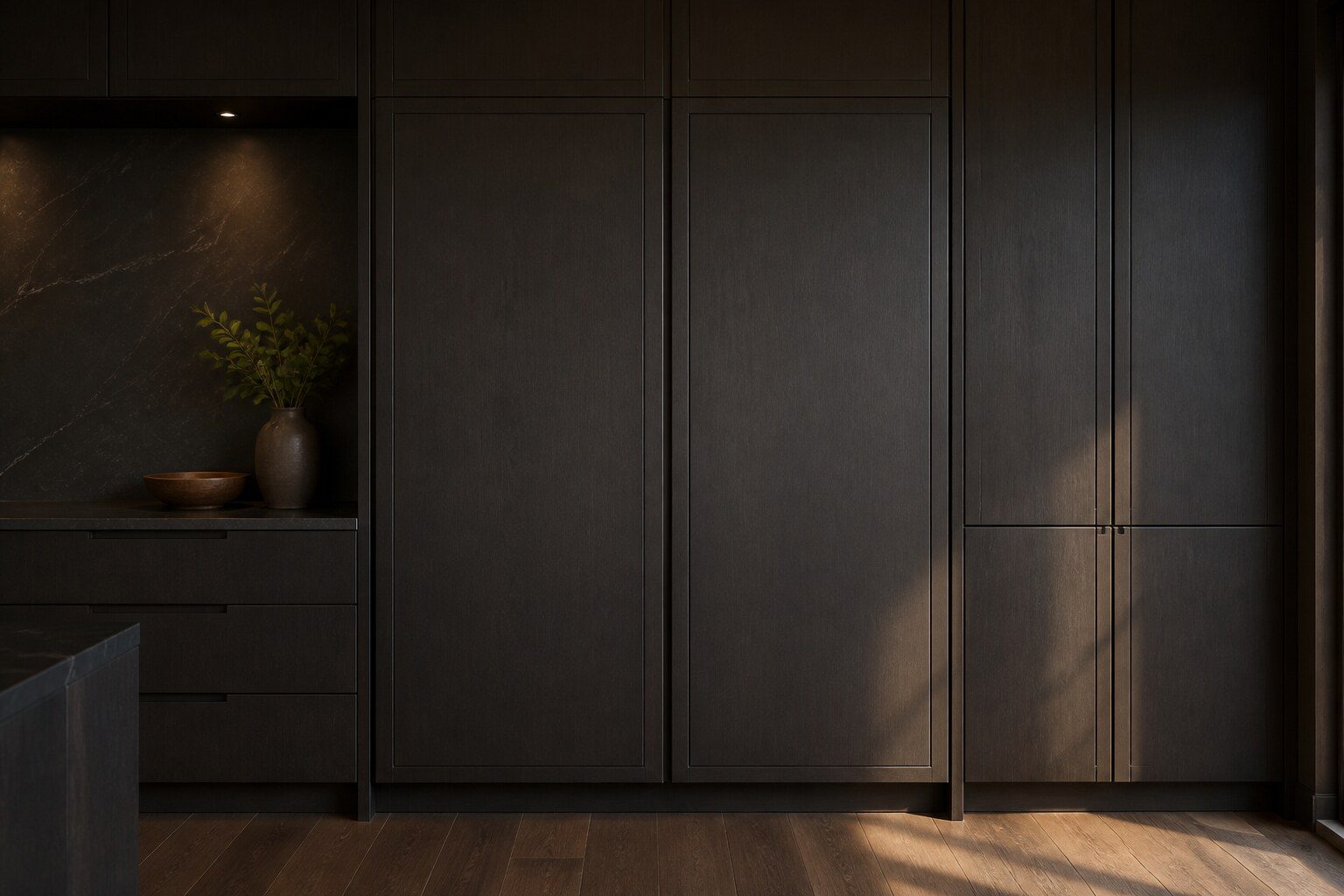
Monogram refrigeration is built in, and on this make that is not a styling word — it is what the repair has to work around. A 48-inch side-by-side is bolted into cabinetry, a column is flush with the run and carries a custom door panel, and the machinery is reached from the front because there is no behind. The failures are ordinary refrigeration failures. Getting to them, and putting the kitchen back the way the cabinetmaker left it, is the part that takes the skill.
- 9 symptoms we are called out to
- From $95 diagnostic, credited to the repair
- 59 cities and neighborhoods covered
- OEM parts available on order
The short version
What this equipment is, for a repair
Configurations
Built-in side-by-side · integrated column · French door · bottom freezer
Access
Planned before the visit, not discovered on arrival
Parts
OEM, available on order
Diagnostic
From $95, credited to the repair
What goes wrong with it
Symptoms we are called out to on Monogram refrigerators
Each one covers the likely causes in the order they are worth checking, and what to do in five minutes before booking anything.
-
Everything works except the cold Refrigerator not cooling
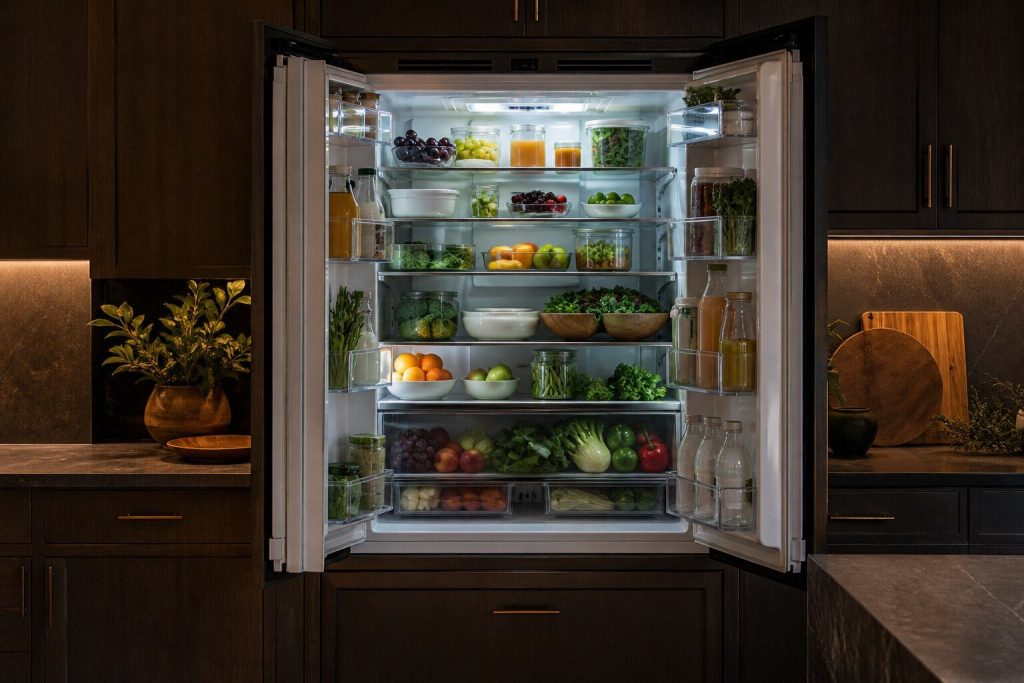
The call we take more often than any other. On built-in refrigeration the first suspect is almost never the compressor — it is the condenser behind the grille above the door, which in a Miami kitchen collects salt, cooking aerosol and dust until it can no longer shed heat, with nothing on the display to say so.
- The condenser is the first suspect and it is free to check
- A dropped door panel produces this too
- The sealed system is last, not first
-
One compartment fine, the other not Refrigerator warm and freezer cold
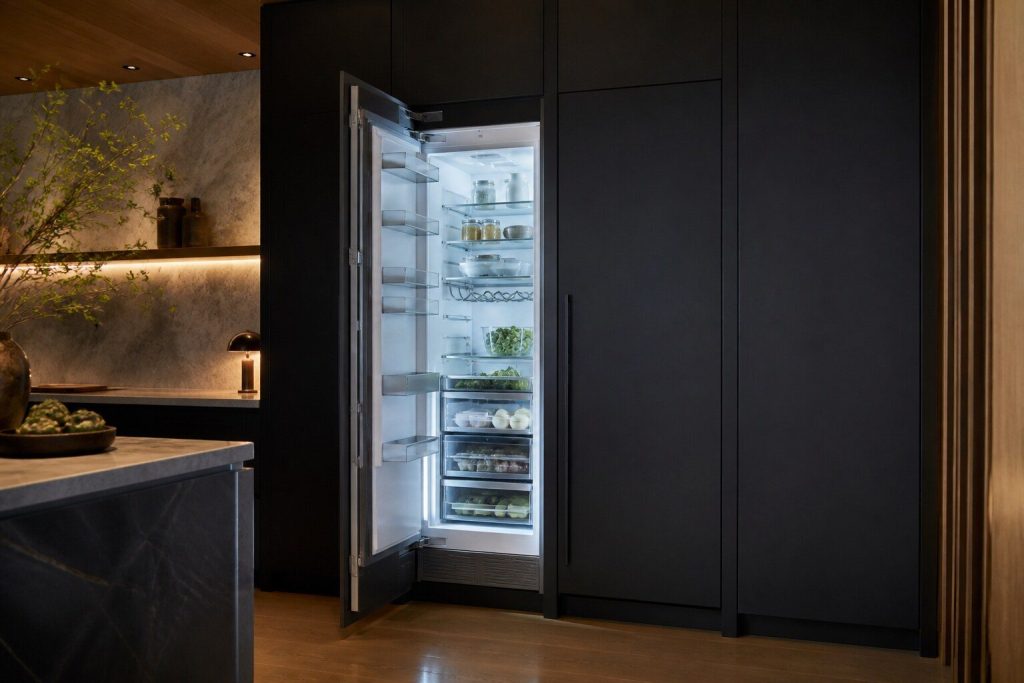
A cabinet where one side holds and the other does not. On a built-in side-by-side that is one machine with a delivery problem; on a pair of integrated columns it is two machines and only one of them is unwell. Which of those you have decides the entire diagnosis.
- On a column pair, this is two appliances
- On one cabinet, it is airflow before it is refrigeration
- The damper between compartments is a real part
-
Water inside, underneath or on the floor Refrigerator leaking water
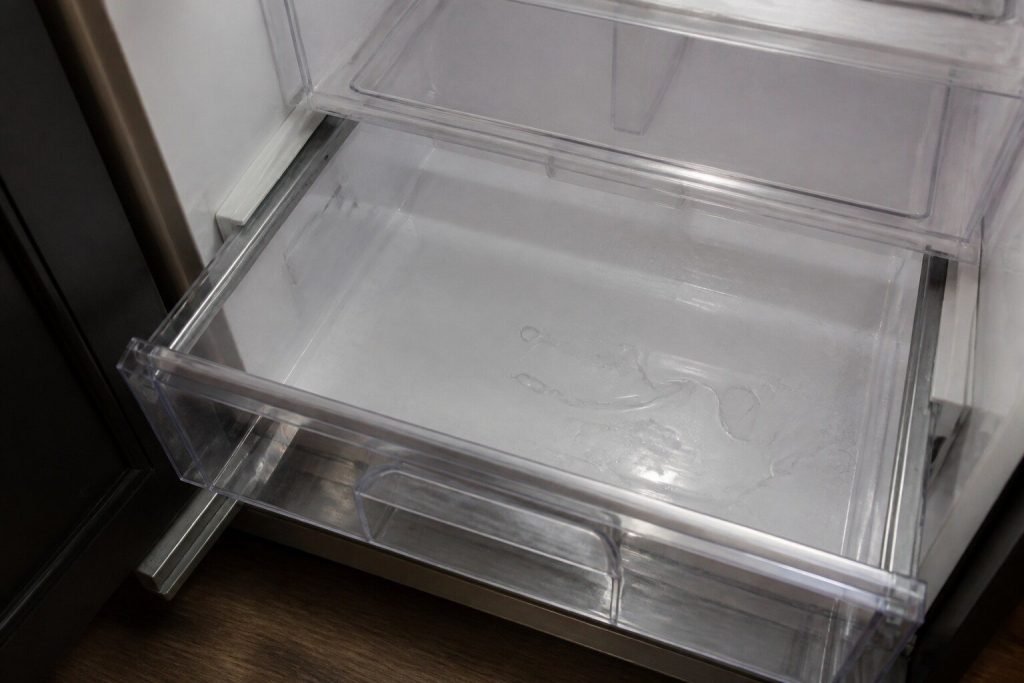
Where the water is tells you most of what you need to know. Inside the cabinet points at the defrost drain; underneath points at the drain pan or a supply connection; in front of the door on a dispenser model points at the line in the door. On integrated cabinetry it matters more than usual, because the floor is often the expensive part of the room.
- Where the water is names the cause
- A blocked defrost drain is the commonest by far
- On integrated kitchens, deal with it quickly
-
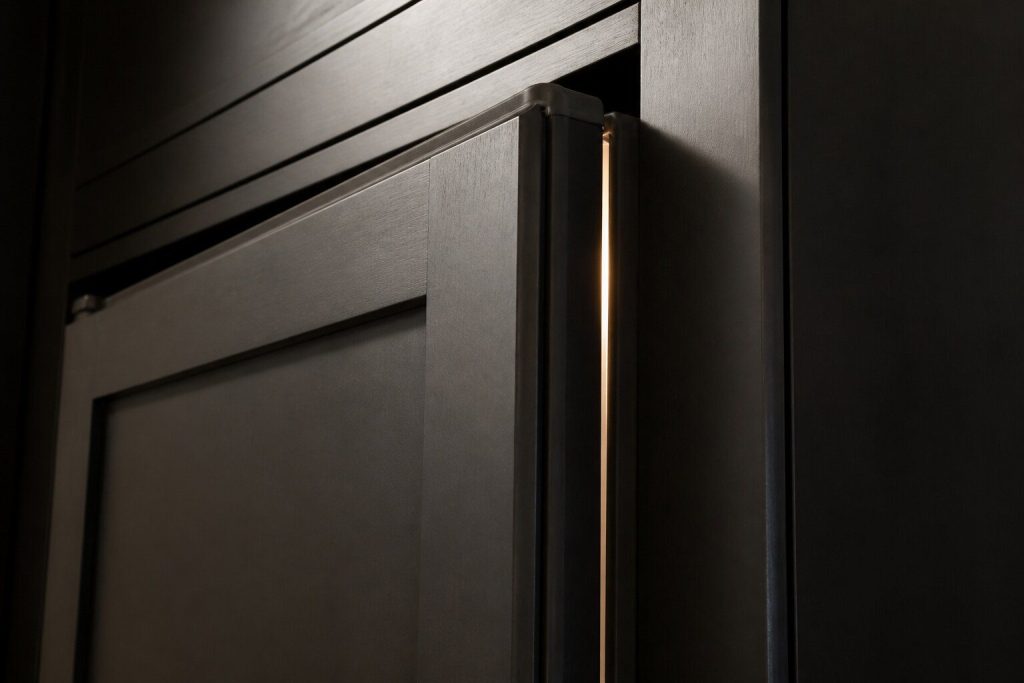
A line of light, a panel out of true, a gasket that has given up Refrigerator door not sealing
The problem that almost nobody calls about and that causes several of the problems people do call about. On integrated cabinetry the door carries a custom panel on hinges shimmed for its weight, and doors settle. What you see is a line that no longer matches the run; what the appliance sees is humid air, all day, every day.
- A dropped door is behind many defrost calls
- Panels changed in a remodel are a common cause
- The paper test settles it in two minutes
-
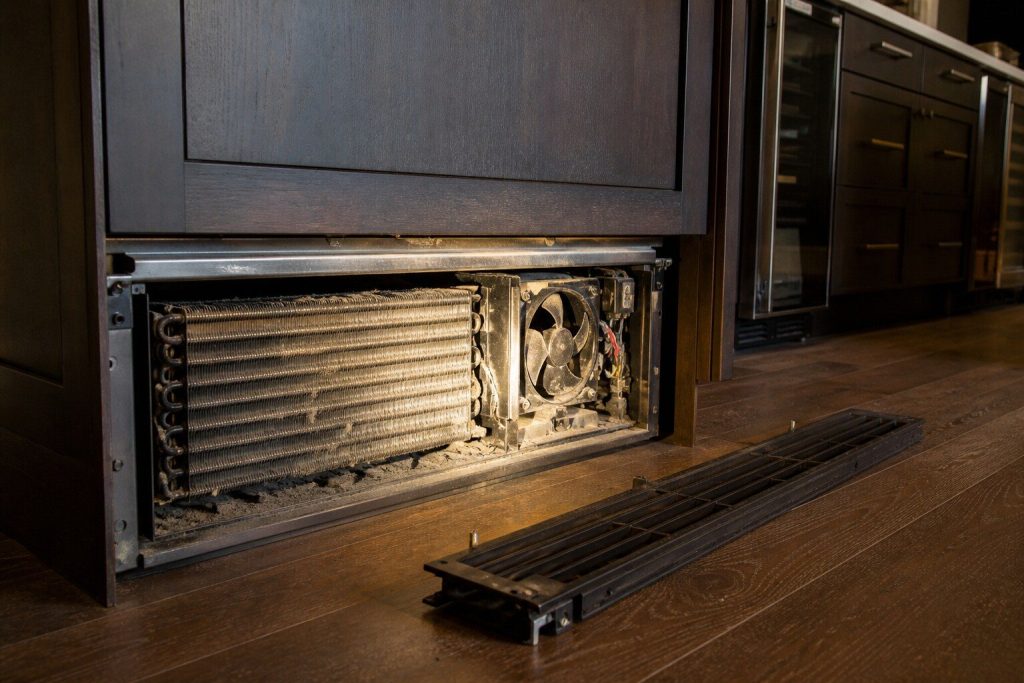
New sounds from a cabinet that used to be quiet Refrigerator making noise
Built-in refrigeration is designed to be unobtrusive, so a sound that is new is worth investigating even when the cabinet is still cold. Most of these are fans and mountings — inexpensive on their own, and cheaper before they take something else with them.
- A new sound usually names its own part
- Fans and mountings before compressors
- On wine cabinets, vibration reaches the bottles
-
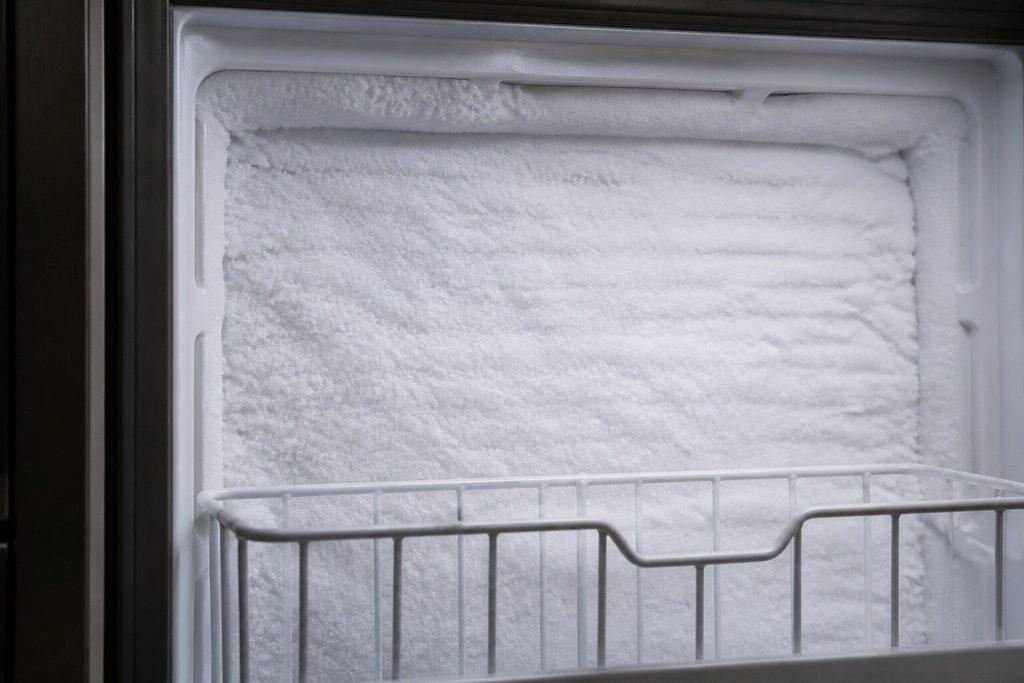
Ice that comes back after you clear it Frost building up in the freezer
Frost you clear and that returns within days is a defrost cycle that is no longer completing, or humid air getting in faster than the cycle can remove it. Both are ordinary and both are fixable, but they are different jobs — and where the frost sits is what tells them apart.
- An even coat on the back wall is the circuit
- A patch by one edge of the door is the seal
- Photograph it before you clear it
What we do on it
Repairs we carry out on Monogram refrigerators
Starting figures for this equipment in South Florida. The exact cost is confirmed after an on-site diagnostic — and this is not the whole list of what can go wrong, so call if your problem is not here.
-
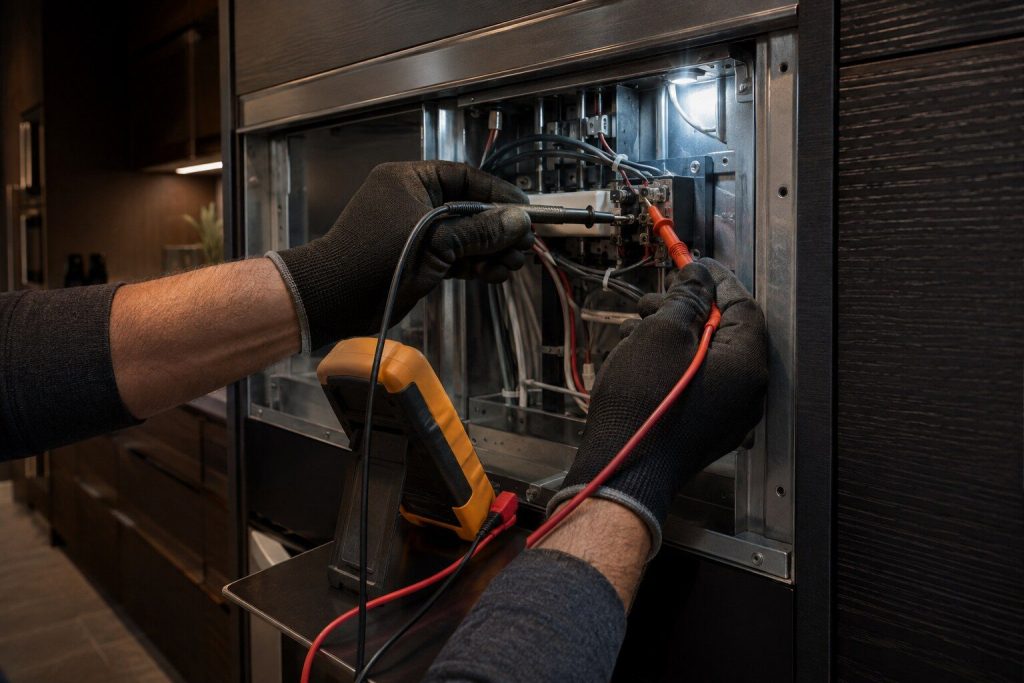
from $95 Diagnostic visit
Nothing is named until something has been measured. On built-in appliances the visit also has to plan its own access before it starts: a column comes out from the front, a panel-ready door comes apart in an order, and a wall oven that has to move needs two people and a plan. We do that thinking before we arrive rather than in your kitchen.
- The model number first, because it decides the access
- What the appliance reports, read against the published table
- Credited toward the repair when you go ahead
-
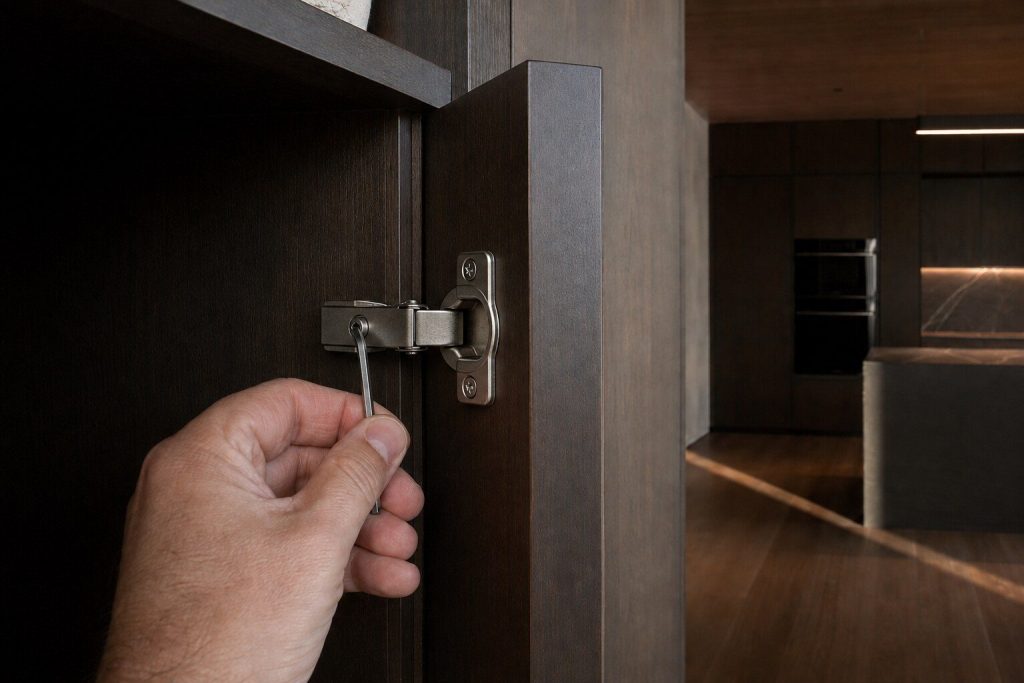
from $145 Panel alignment and door adjustment
The job that only exists on built-in kitchens, and the one owners most often wait too long to book. A custom door panel is heavy, the hinges were shimmed for it on installation day, and over years the door settles. What starts as a line of light along a cabinet becomes humid Florida air walking into a refrigerator all day, and then a defrost circuit that never catches up.
- Hinges, springs and shims set back to specification
- The seal checked along its whole length, not by eye
- Panel lines put back level with the run
-
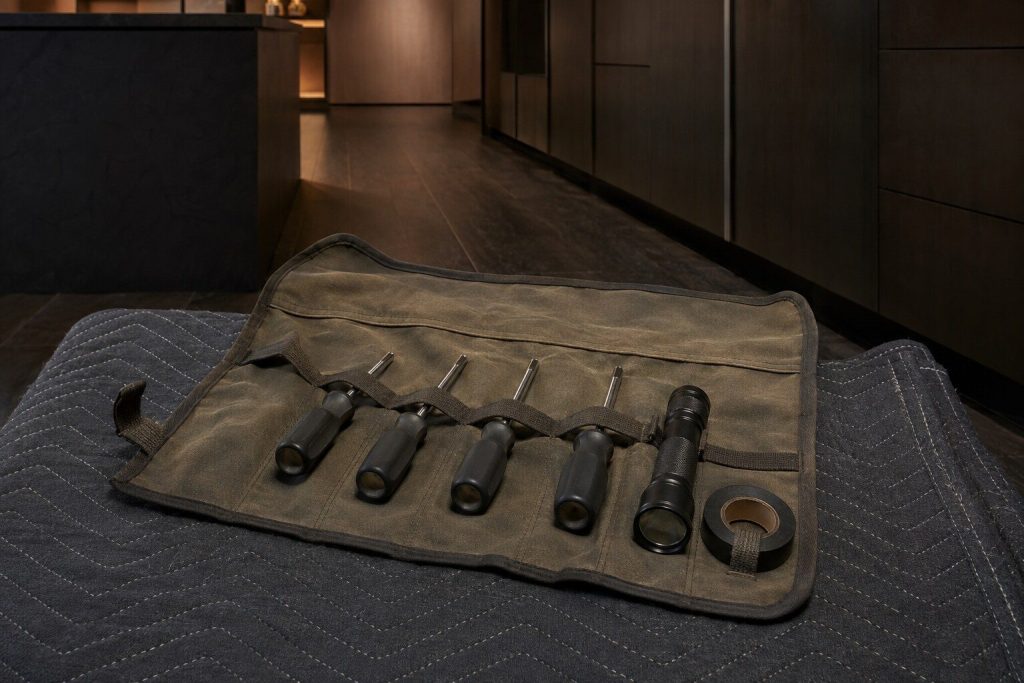
from $145 Appliance maintenance
The visit that exists to stop the other visits. On built-in appliances in a salt-air climate the two things that shorten life are both invisible: a condenser that has silted up behind its grille, and door seals that have quietly stopped sealing. Neither shows on a display. Both are cheap to deal with and expensive to ignore.
- Condensers cleaned and airflow checked
- Seals, hinges and panel alignment across the kitchen
- Filters, drains and water circuits attended to
-
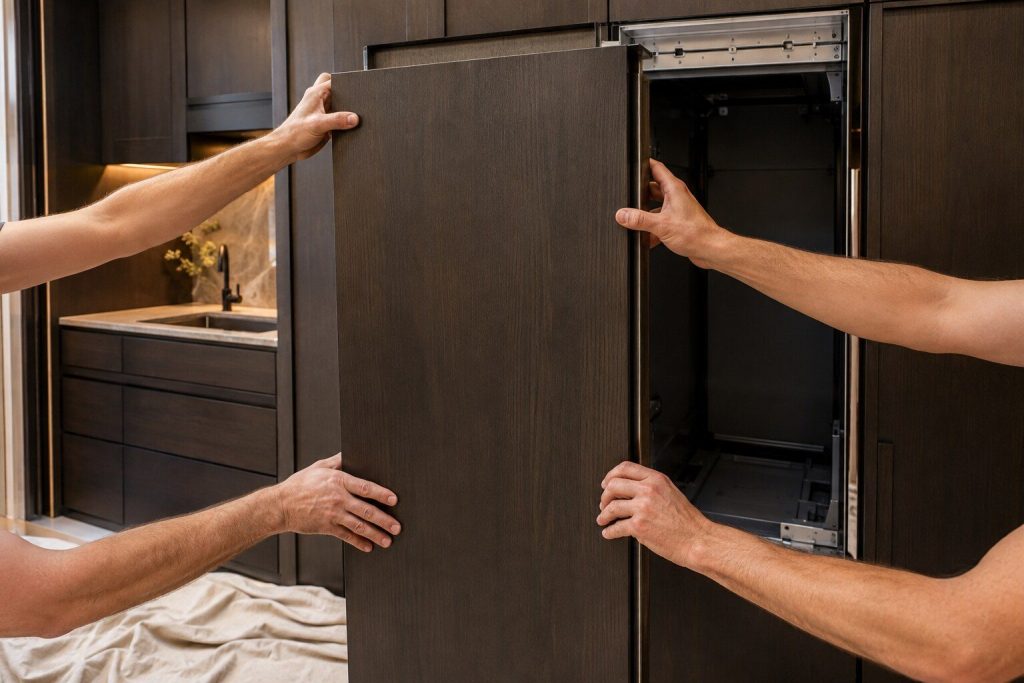
from $175 Appliance installation
Built-in appliances are installed once and lived with for twenty years, and most of the long-term problems we are called to were decided on installation day: a clearance that was shaved, a drain that has no fall, a hood ducted through one elbow too many. Getting it right the first time is cheaper than any of the repairs it prevents.
- Clearances and ventilation to the specification, not to the opening
- Water, gas and drain connections tested under pressure
- Panels hung and doors set level with the run
-
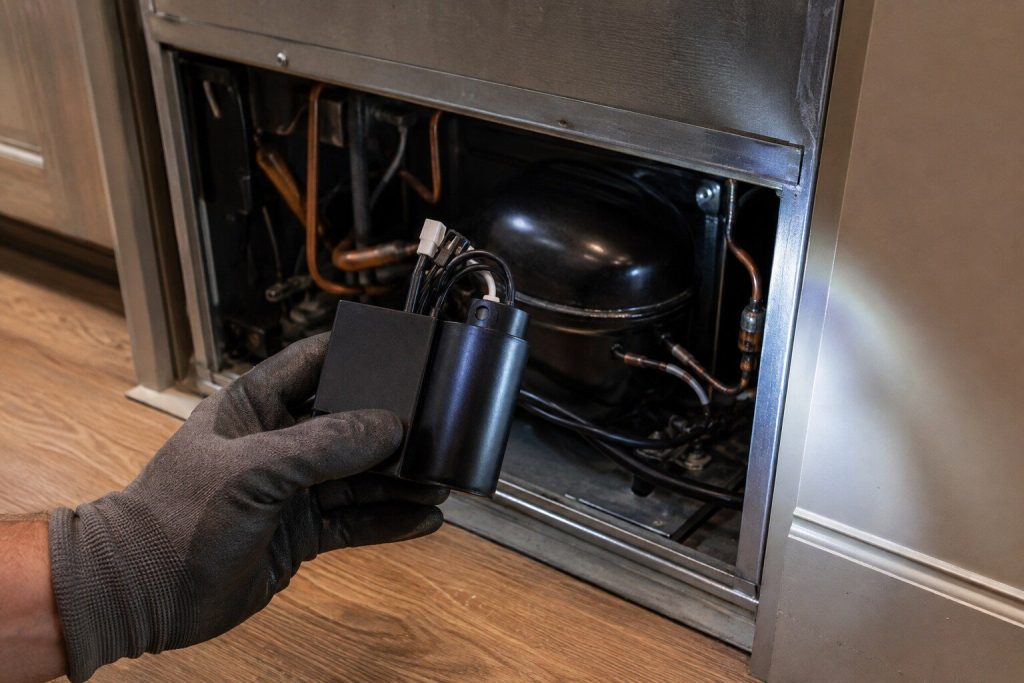
from $175 Refrigerator not cooling repair
The largest single category of call and the one with the widest range of causes underneath it. A built-in that has stopped holding temperature can be an airflow problem, a defrost problem, a control problem or a sealed-system problem, and the four are separated by measurement rather than by opinion.
- Airflow and condenser ruled out first, because they are cheapest
- Defrost circuit measured, not inferred
- Sealed-system work only when the readings say so
-
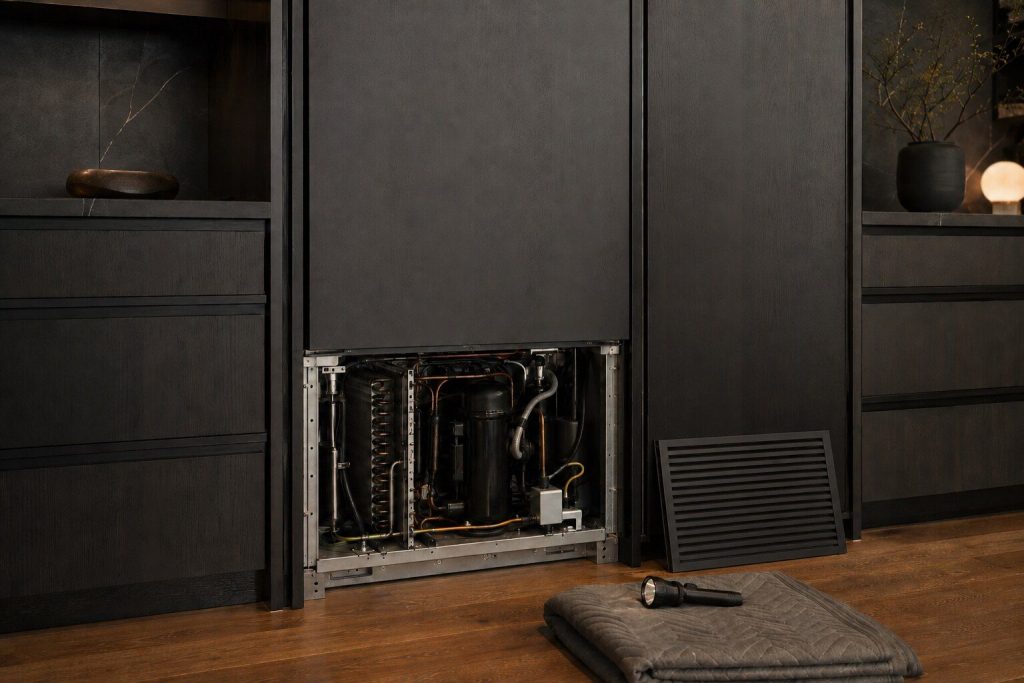
from $195 Column refrigeration repair
Integrated columns are their own service situation. They are single-temperature cabinets installed flush, usually in pairs, carrying custom panels, and they come apart in an order. The refrigeration inside is ordinary; reaching it without leaving marks on a kitchen is not.
- Panels and trim removed and refitted in order
- Paired columns diagnosed as two machines
- Everything serviced from the front
-
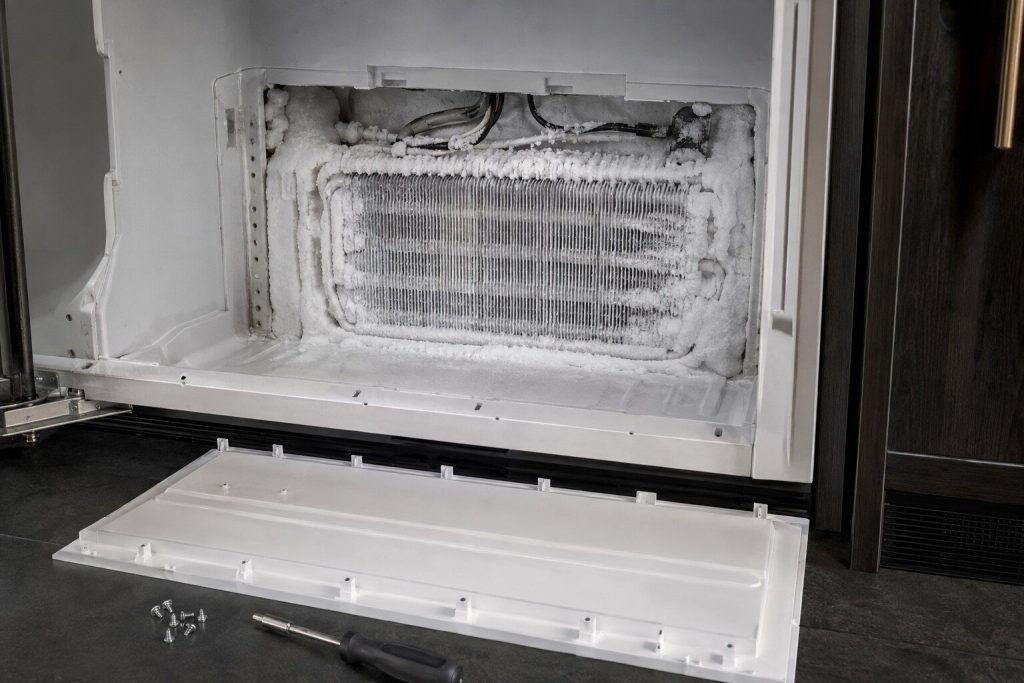
from $195 Defrost system repair
Frost that keeps coming back is not a cleaning problem. It is a defrost cycle that is no longer completing, and in a climate where every door opening adds moisture, a cabinet whose defrost circuit has quit fills with ice quickly and then warms up while running constantly.
- Heater, sensor and control tested individually
- The evaporator seen, not guessed at
- The door checked, because half of these start there
-
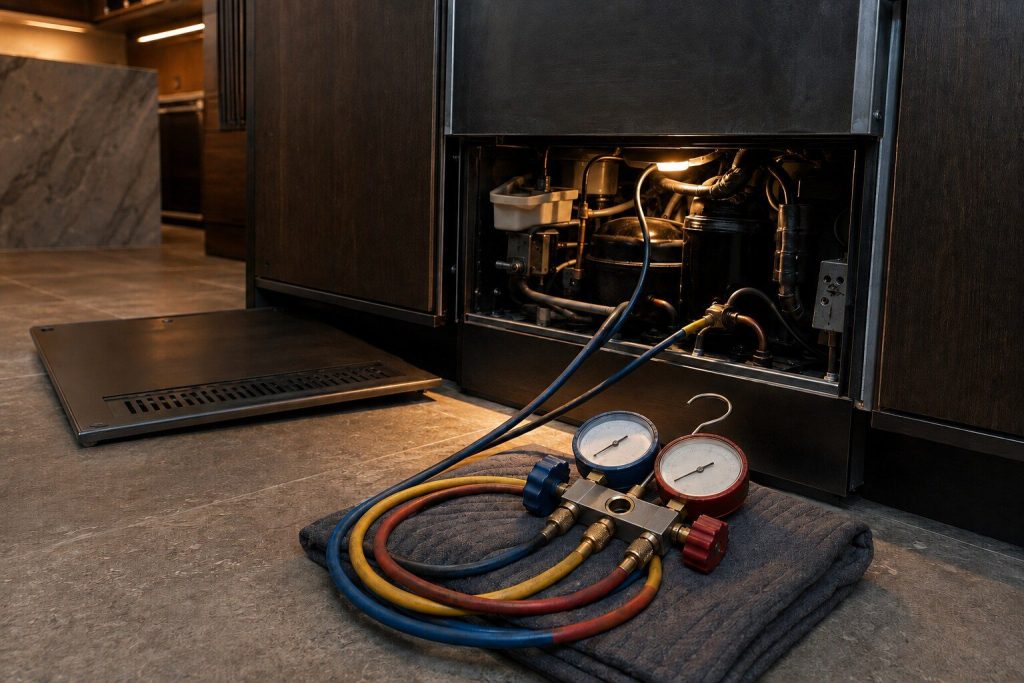
from $695 Sealed system repair
The refrigeration circuit itself — compressor, condenser, evaporator and the refrigerant between them. It is the largest repair on a cold appliance and the one most often reached for too early. On a built-in cabinet worth five figures it is usually still the right thing to do, which is not true of every make in this fleet.
- Reached by measurement, never by elimination
- Pressures and temperatures on the report
- Honest about when a cabinet is not worth it
-
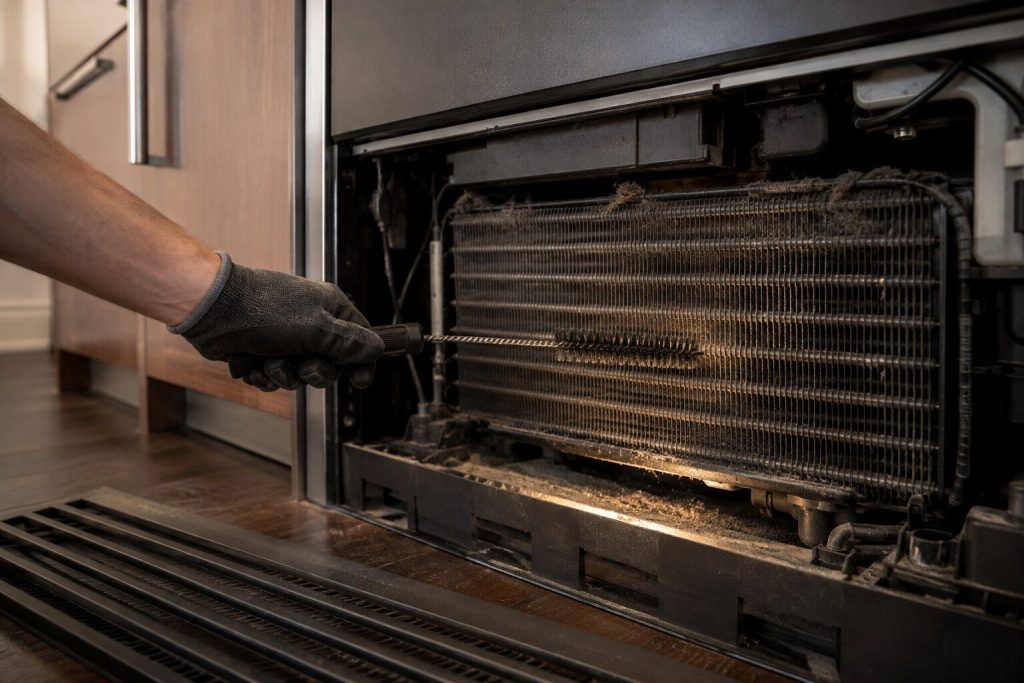
from $135 Condenser cleaning service
The cheapest service on this list and the one that prevents the most expensive one. A built-in condenser sits behind a grille in the kitchen, and in South Florida it collects salt, cooking aerosol and dust at a rate that surprises people. The appliance never complains. It just runs longer, hotter and shorter-lived.
- Coil, fan and air path on every cold appliance
- Nothing on the display ever reports this
- Directly extends compressor life
-
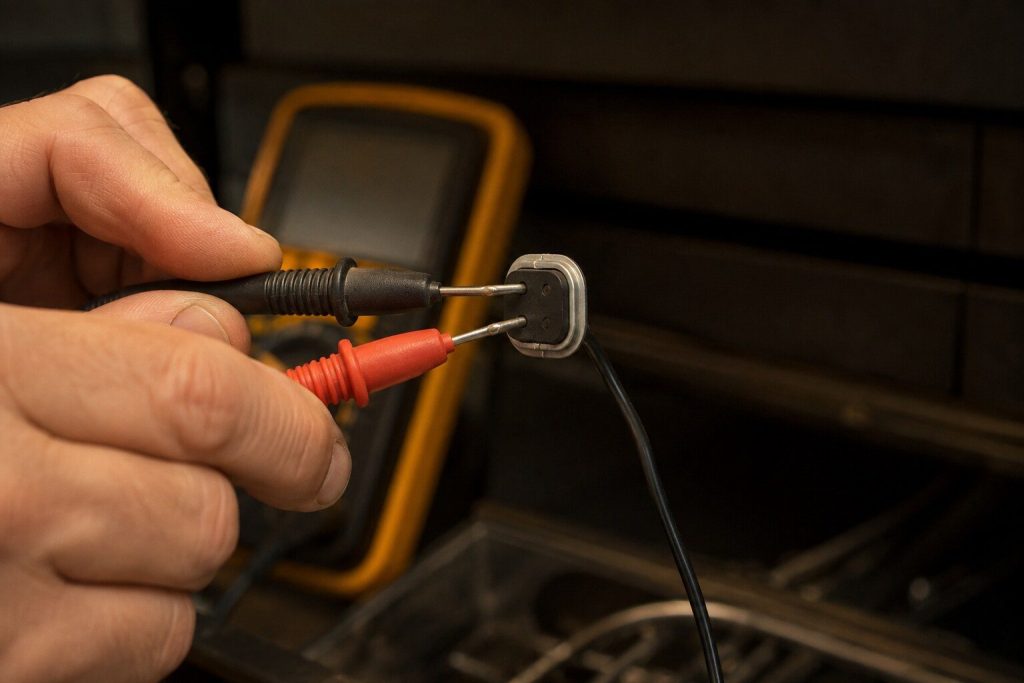
from $165 Temperature sensor replacement
A sensor is a resistor that reports temperature, and when it drifts the appliance obeys it faithfully — running a cabinet warm, an oven cold, or throwing a code that names the circuit outright. It is one of the most satisfying repairs on the list because the part is measurable: either it reads what it should at a known temperature or it does not.
- Measured against specification, not swapped on suspicion
- The wiring between sensor and control checked too
- Covers both refrigeration and cooking
-
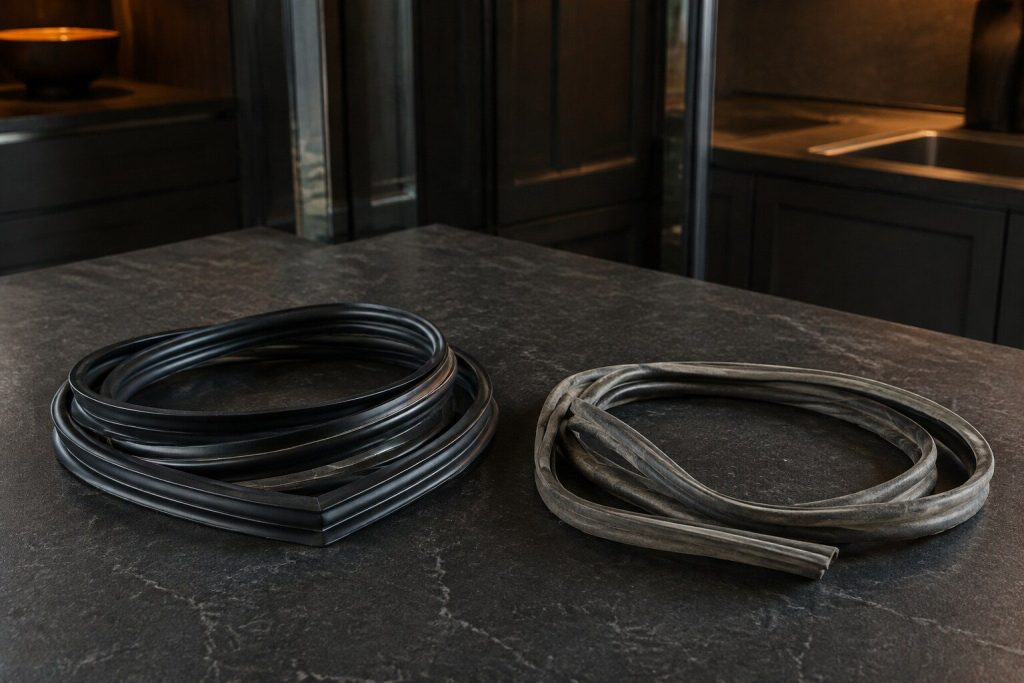
from $165 Door seal replacement
A gasket is a wear part and it fails gradually, which is why it is almost never the thing people call about. It hardens, it takes a permanent set where it has been folded, and it stops meeting the cabinet along part of its length. On a cold appliance that is a defrost problem in waiting; on an oven it is heat and money going into the room.
- Tested along the whole length, not eyeballed
- Hinge and alignment checked at the same time
- The commonest cause of a defrost circuit that never rests
-
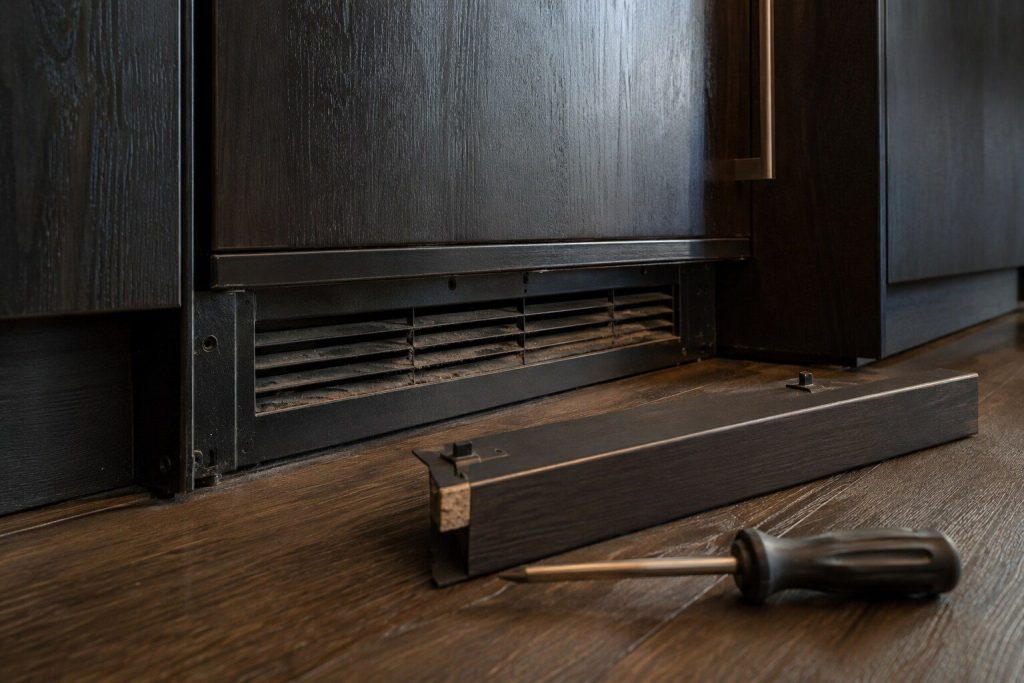
from $175 Undercounter refrigeration repair
Bar refrigerators, beverage centers, double-drawer units and undercounter cabinets share one engineering problem: they breathe through a grille a few inches tall at the bottom of a door, and they are very often installed somewhere warmer than a kitchen. Most of these calls are decided by air before they are decided by parts.
- Ventilation treated as part of the diagnosis
- Ambient temperature measured where the unit actually lives
- Drawer runners and seals on the drawer models
-
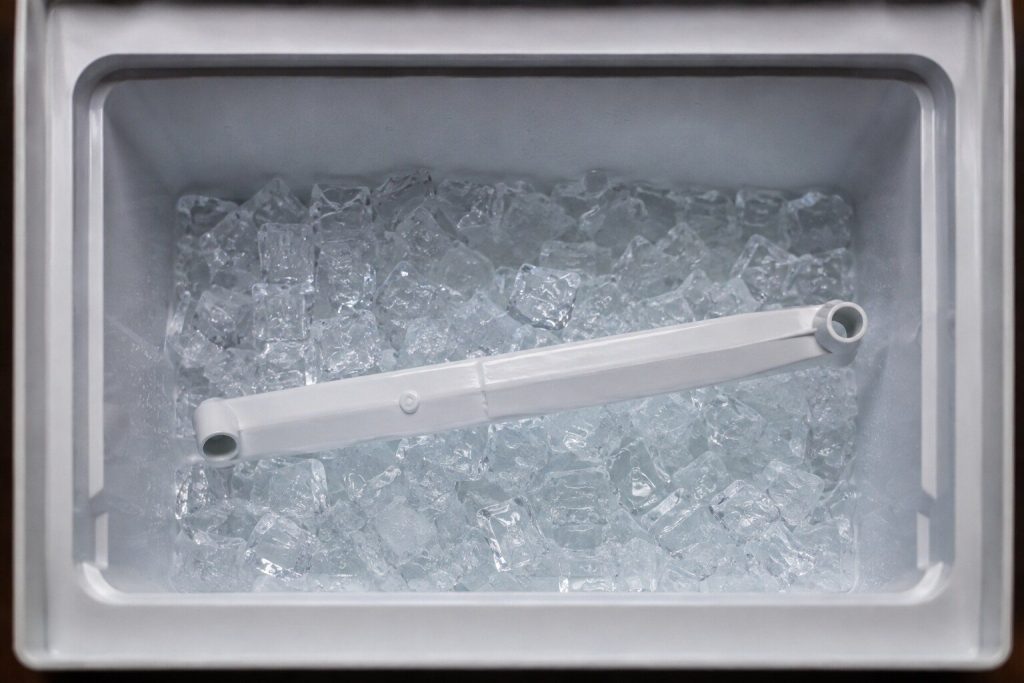
from $175 Ice maker repair
Ice makers built into a refrigerator or a bar cabinet borrow their cold from the cabinet they live in, so a good proportion of these calls are really temperature calls. The rest are water: the supply, the valve, the fill tube and the module, in that order of how often they are the answer.
- Cabinet temperature checked before the module
- The water supply proved rather than assumed
- CI on the display is a starting point, not a diagnosis
-
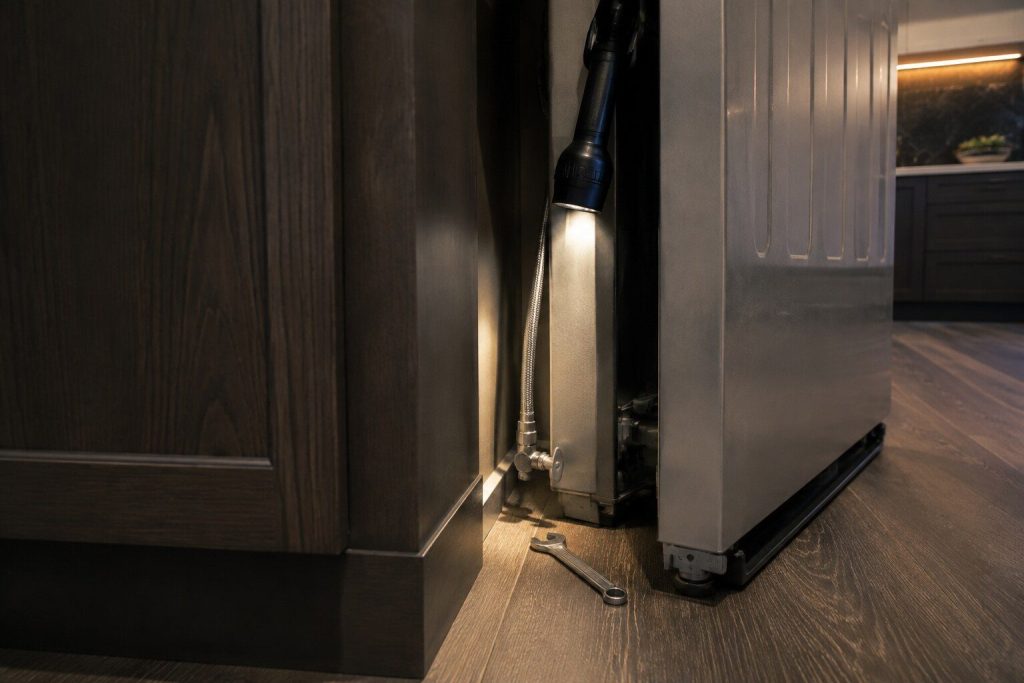
from $125 Water dispenser and filter service
Slow water, no water, or water that tastes of the filter it is supposed to be cleaned by. On local water the filter is the first suspect and very often the only one, and the interval printed on the cartridge assumes gentler supply than South Florida provides.
- Filter, valve and line checked in that order
- Local water shortens every published interval
- Cheap to rule out before booking anything larger
-
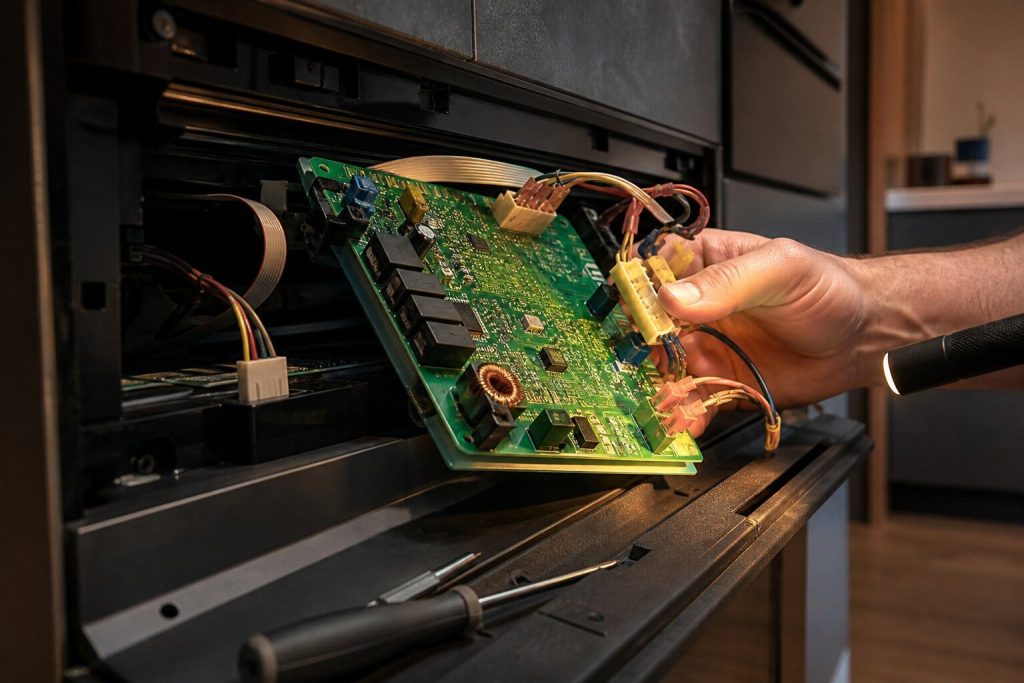
from $295 Appliance control board repair
The repair reached last and reached for first by the internet. A control board is expensive, frequently blamed and comparatively rarely the problem — most of what gets called a board failure is a sensor, a harness or a connector that has corroded in coastal air. Boards are condemned here by measurement.
- Everything the board depends on tested first
- Connectors and harnesses are the usual real cause
- Codes that name the control taken seriously, not literally
In more detail
About Monogram refrigerators
Built-in refrigeration is a cabinetry job as much as a refrigeration job
Monogram does not make a refrigerator you roll out of the way. Its line is built-in side-by-sides from 36 to 48 inches, integrated columns in 18, 24, 30 and 36, bottom-freezer and French-door cabinets designed to sit flush with the run, and undercounter and double-drawer units for the island. Most of them are panel-ready: the door you see belongs to the kitchen, not to the appliance. That changes the repair before any diagnosis happens. Panels come off in an order, hinges carry weight they were shimmed for on installation day, and a technician who takes a door apart without a plan for putting it back is a technician who has damaged a cabinet.
What South Florida does to these cabinets
Two things, and neither shows up on the display until late. The first is the condenser. A built-in vents through the grille above its own door, into a kitchen, and the coil behind that grille collects salt, cooking aerosol and dust at a rate that surprises people who have owned freestanding refrigerators all their lives. It runs hotter, it runs longer, and the first symptom is a power bill rather than a temperature. The second is humidity at the door line. Every opening in an August kitchen puts moisture into a cabinet that then has to defrost it back out, and a gasket that has taken a permanent set — or a custom panel that has pulled its door out of true — turns an occasional job into a constant one.
Codes, and what is not a code
Monogram runs on GE Appliances' refrigeration control family, so what appears on the display comes from a published table rather than from guesswork. FF means the freezer is warming and the food is what to check first. PF means the power was interrupted. dE is a defrost cycle that has not completed. CC says the temperatures are not what they were asked for. CI points at the ice maker. And tC, tF and a capital DE are not problems at all. Our error-code archive keeps the difference straight, because the useful part of a code is knowing when it means stop and when it means nothing.
What we can tell you before we come out
Give us the model number from the plate — on these it is usually inside the fresh-food compartment on the left wall — what both compartments are reading, and whether it changed over days or overnight. That is usually enough to name the likely part and the band it falls in. The exact cost is confirmed after the on-site diagnostic and agreed with you before anything is opened.
This article is based on:
- Official manufacturer documentation
- Internal repair procedures
- Technician repair history
- Company quality standards

Before you book
Questions about Monogram refrigerators
It is cooling badly but the compressor is clearly running. Where does that go?
On a built-in the first suspect is the condenser and the air path to it, and in Miami it is the suspect more often than anywhere else. These cabinets breathe through a grille above the door, not out of the back of the room, so a coil that has taken two years of salt air and cooking grease loses its ability to shed heat with nothing on the display to say so. After that comes the defrost circuit and then the sealed system, and the difference between those two is measured with gauges rather than argued about. What we ask on the phone is the model number, what the fresh-food side reads against what the freezer reads, and whether it got worse over a week or overnight — a slow drift and a sudden loss are different problems.
My refrigerator is panel-ready and the custom door does not sit flush any more.
That is a real service call and a common one, and it is worth booking before it becomes a cooling complaint. A heavy custom panel loads the hinge, the door drops by a few millimeters, and the gasket stops meeting the cabinet along the top edge. The visible symptom is a line of light or a panel that no longer matches its neighbor; the invisible one is humid Florida air walking into the cabinet all day and giving the defrost circuit work it was never sized for. Hinges on these are adjustable, and the panel usually goes back where it belongs without new parts.
Does a Monogram refrigerator show error codes?
Some of them do. Monogram runs on GE Appliances' control platform, and the codes the display can show — FF, PF, dE, CC, CI — come out of GE Appliances' own published tables, which is where Monogram's own support sends owners. We publish those and nothing else. A great deal of what people see on these cabinets is not a problem at all: tC and tF are TurboCool and TurboFreeze doing their job, and DE in capitals is showroom mode, which is how a floor model behaves and how one occasionally arrives in a house. Our code pages say which is which.
Is a 36-inch column repaired the same way as a built-in side-by-side?
The refrigeration is similar and the access is not. A column is a single-temperature cabinet — all refrigerator or all freezer — installed flush and often paired with a second column beside it, so its panel, its trim and sometimes its neighbor have to come off in the right order to reach anything. Two columns also fail as a pair in a way one cabinet does not: when the fresh-food side is fine and the freezer beside it is not, that is two separate machines, and knowing which one you are describing saves a visit.
Where we do it
Across Miami-Dade, Broward, and Palm Beach
Same terms everywhere we go: an on-site diagnostic first, the price agreed in writing, and the exact figure confirmed once we have seen the unit.
Neighborhoods people ask for by name