Troubleshooting
Taking an Oven Door Off: When It Is Worth It and When to Stop
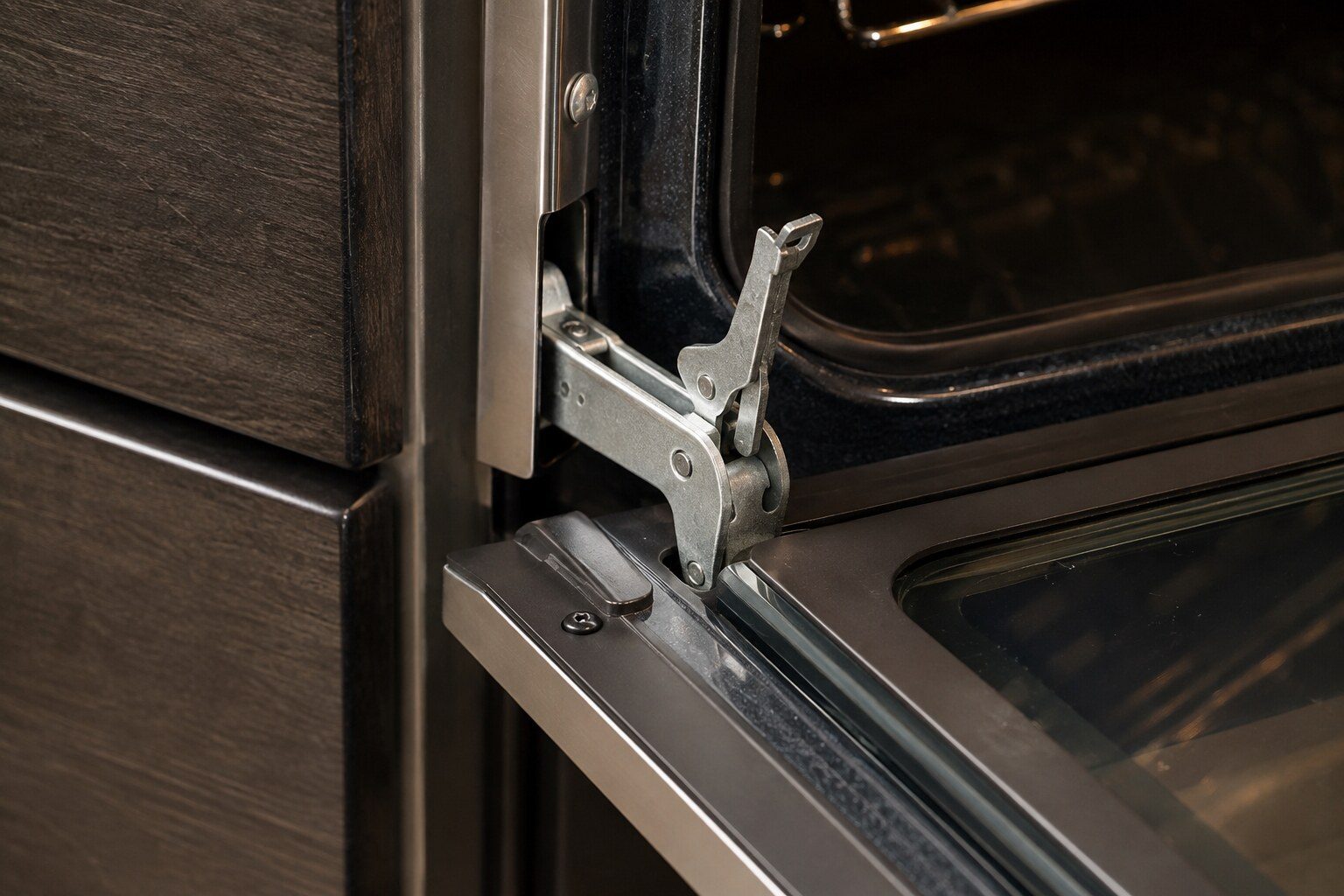
Only on a cold oven with the power off, and never on a door locked by a self-clean cycle. Open the door fully and find the small lever inside each hinge arm where it enters the oven frame; flip both of them up. Those locks hold the hinge springs while the door is off, and a door lifted without them can snap the arms closed with the force the door was hung on. Then close the door to roughly its first stop — not all the way — take the weight at both sides with a second person, and lift straight up and toward you. It should come. If it resists with the locks engaged, stop: that is a hinge problem rather than a technique problem, and forcing it damages the hinge, the door and often the fascia. Refitting is the same in reverse, and the locks come down last, after the door is seated.
The full guide
Written to be followed, and to be abandoned
Most instructions for this job are a sequence, and the sequence is not the hard part. What is missing from them is the two facts that decide whether the job should happen at all: the hinge locks have to be engaged before the door moves, and a door that resists is telling you something rather than needing more effort.
Both matter more on this line than on a lightweight freestanding range. These doors are heavy — glass, insulation, a steel frame, and on a French-door model a pair of them — and they hang on spring-loaded arms that store real energy.
The hinge locks are the whole job
Open the door fully. Where each hinge arm enters the oven frame there is a small lever or clip. It flips up, and when it is up it holds the hinge spring in place while the door is off.
Skip that on both sides and the arms can snap closed the moment the door leaves them, with the force the door was hung on. That is how fingers get hurt and how hinge arms get bent, and a bent arm is a door that never sits right again.
Both sides. It is easy to do one, notice nothing wrong, and lift.
The angle, and the second person
Most of these doors release at a partly closed position rather than fully open — often around the first stop. The manual for your model names the exact angle and it is worth checking rather than guessing, because fully open and fully closed will both fight you and neither tells you why.
Take the weight at both sides, hands under the door rather than on the handle, and lift straight up before drawing the door toward you. A handle is a lever, and a door lifted by its handle twists in the hinge slots.
Have somewhere to put it before you start: a blanket or a flattened box on the floor, glass side up. More doors are damaged after they come off than during the lift.
The stop condition
With the locks engaged and the angle right, the door comes off without persuasion. If it does not, put it back and stop.
Resistance at that point means the hinge — an arm that has been bent, a slot that has worn, a spring that has failed on one side. Forcing it takes the hinge, the door, and sometimes the fascia around the opening with it, and on a built-in oven the fascia is part of a cabinetry run.
That is not a counsel of caution for its own sake. It is the difference between a job you did yourself and a repair that is now larger than the one you started with.
Never on a locked door
If the door is locked because a self-clean cycle ran, none of this applies. That latch is a motorized assembly driven by the control, engaged deliberately because the cavity is above a safe temperature, and it releases on temperature rather than on time. After a full cycle in a warm kitchen that can take a couple of hours.
If the oven is genuinely cold everywhere — front, glass and vent — and the door is still locked, then the latch circuit has a problem. The manufacturer reports that as F9 or FC, and it is a defined repair. It is not a lifting problem and no amount of technique makes it one.
The glass question
The usual reason for taking a door off is to clean between the panes. Whether the inner glass comes out is model-specific, and on the models where it does not, taking the door apart anyway means clips that do not seat again and a rattle that will annoy you for the life of the appliance.
If your model does not open, the honest answer is to accept the marks or to have somebody do it who has the part numbers for the clips. That is the point at which a cleaning job becomes a repair, and it is worth recognizing before rather than after.
What people actually want this for
Three reasons, and they are worth separating because two of them have better answers.
Cleaning between the panes. The most common, and the one where the honest answer is often no. Whether the inner glass comes out is model-specific. On the models where it does not, dismantling the door means clips that never seat properly again and a rattle for the life of the appliance.
Cleaning the cavity properly. A fair reason on a large oven, and worth weighing against the fact that a self-clean cycle does the same job without anybody lifting anything.
Because the door is misbehaving. Not sitting square, dropping, not sealing along the top. That is the one where taking the door off is genuinely part of the work — and it is also the one where a technician doing it is the sensible answer, because the diagnosis is the hinge and the hinge is what makes the lift risky.
The hinges are the appliance's suspension
It helps to understand what is inside those arms. A wall-oven door of this weight is held on hinge assemblies containing springs under real tension, sized for the exact mass of the door. They are what makes a heavy door feel controlled — it stays where you put it rather than falling.
Everything about handling the door comes from that. The locks are there to hold the springs while the door is off. The angle matters because the arms only clear their slots in one position. And a door that resists is a door whose arms are not where the design expects them to be, which is a hinge problem by definition.
A worn hinge is also why some doors will not go back on. If the arms have splayed even slightly, they no longer enter their slots together, and the answer is not force from a second person.
The safe sequence for cleaning, without the lift
For most people this is the better route.
Cold oven. A cream cleaner made for glass, or a paste of baking soda for anything baked on, worked with a soft cloth rather than a pad. Leave it a few minutes rather than scrubbing. A plastic scraper, held flat, for anything that will not lift. Rinse thoroughly and dry, because residue bakes on next time and becomes the next mark.
Steel wool, oven cleaner sprayed onto the glass, and anything abrasive all mark the surface permanently, and on a door with a printed or coated inner pane they can take the coating with them.
If the marks are between the panes rather than on them, and the model does not open, that is the point at which to accept them or to have somebody with the clip part numbers do it.
And once more, the one absolute
Never on a door locked by a self-clean cycle. That latch is motorized, it is driven by the control, and it is engaged because the cavity is above a safe temperature. Waiting is the whole answer, and if the oven is genuinely cold and it is still locked, the manufacturer reports that as F9 or FC and it is a repair.
A forced latch takes the latch, the door and often the fascia around the opening — which on a built-in oven is part of a cabinetry run rather than a panel on an appliance.
If it turns out to be a repair
What this leads to, and what it costs
Every job on this site is priced the same way: an on-site diagnostic first, the figure agreed in writing before anybody starts.
-
After a self-clean cycle, usually Oven door locked and will not open
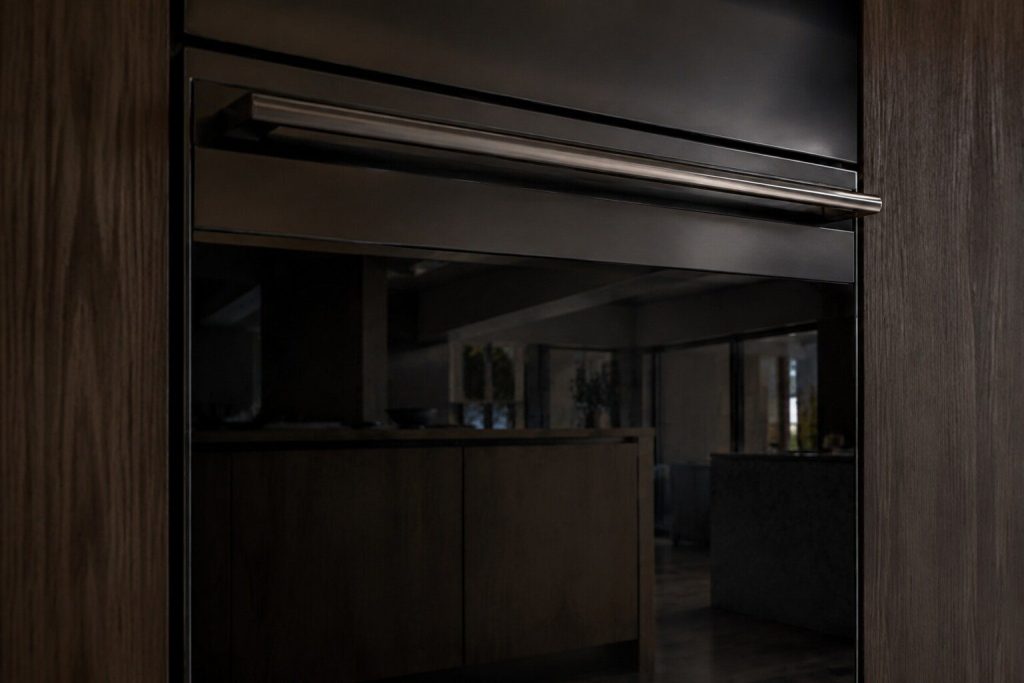
The door locked during self-clean and has not released. A large share of these calls end with the honest answer that the cavity is still too warm — the lock releases on temperature, not on time, and after a full cycle that can take hours.
- It releases on temperature, not on time
- F9 and FC name the latch circuit
- Never force it
-
from $195 Oven door lock repair
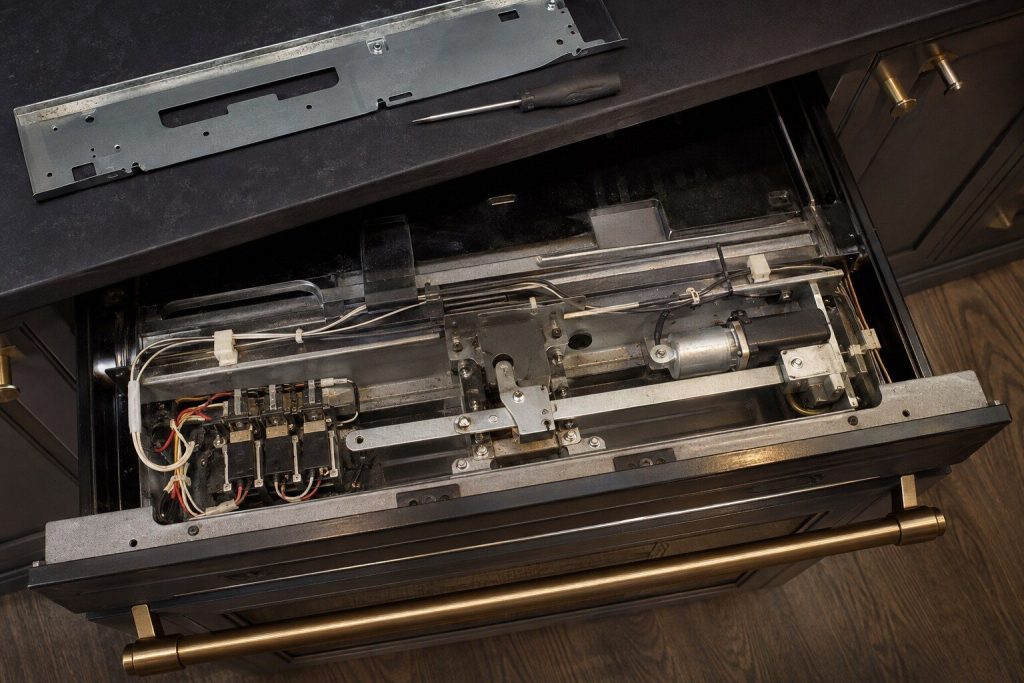
The door locked during self-clean and has not released, or the oven refuses to run because it believes the door is not shut. On these ovens the latch is a motorized assembly reported by F9 and FC, and forcing a locked door turns a modest repair into an expensive one.
- F9 and FC name the latch circuit
- Almost always appears after a self-clean cycle
- Never forced open
-
Statement and Minimalist · single, double and French door · Advantium 5-in-1 Wall ovens
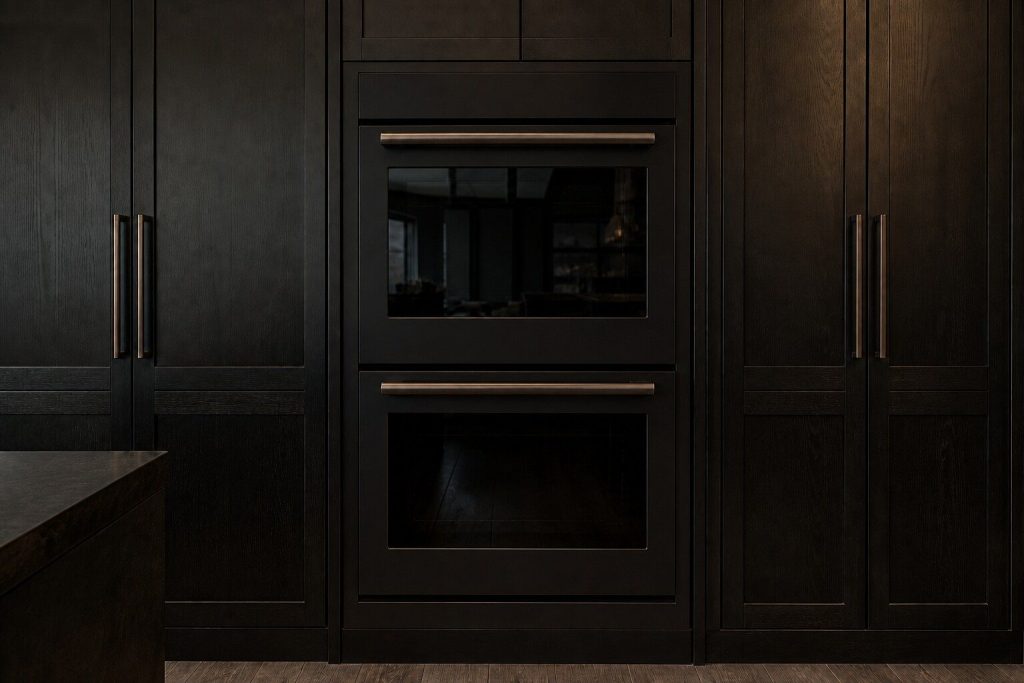
Monogram's wall ovens come in two design languages — Statement, with its heavy handles and brass, and Minimalist, which is flush and handle-less — plus French-door models, in-oven cameras, warming drawers, and the Advantium 5-in-1 that cooks with halogen light as well as microwave energy. They share a control platform and an F-code family, and they are all installed into cabinetry, which is where the repair difficulty lives.
- Single, double and French-door wall ovens in 27 and 30 inches
- Advantium 5-in-1 comes in 120 V and 240 V versions that fail differently
- F codes name the sensor, the keypad or the door latch
Questions people ask about this
Why do I need two people for a door?
Because a Monogram wall-oven or professional-range door is heavier than it looks — glass, insulation and a steel frame — and it comes free suddenly. One person holding it at an angle with hinge arms under spring tension is how doors get dropped and how cavities get scratched.
The door is locked from a self-clean cycle. Can I take it off to get in?
No. That latch is motorized and driven by the control, and it is engaged on purpose because the cavity is above a safe temperature. Wait for it to cool — after a full cycle that can be hours. If the oven is stone cold and it is still locked, that is F9 or FC and it is a repair, not a lift.
Can I clean between the glass panes once it is off?
On some models the inner glass comes out and on others it does not, and it is model-specific. If your model does not allow it, taking the door apart anyway means clips that do not go back and a rattle you will hear for years. It is the point at which a cleaning job becomes a repair.
It came off but will not go back on.
Almost always the angle. The hinge arms have to enter their slots at the same angle they left, which is the first-stop position rather than fully open or fully closed. Take the weight, find the angle, and let it drop into the slots rather than pushing it.
Troubleshooting
More guides like this one
-
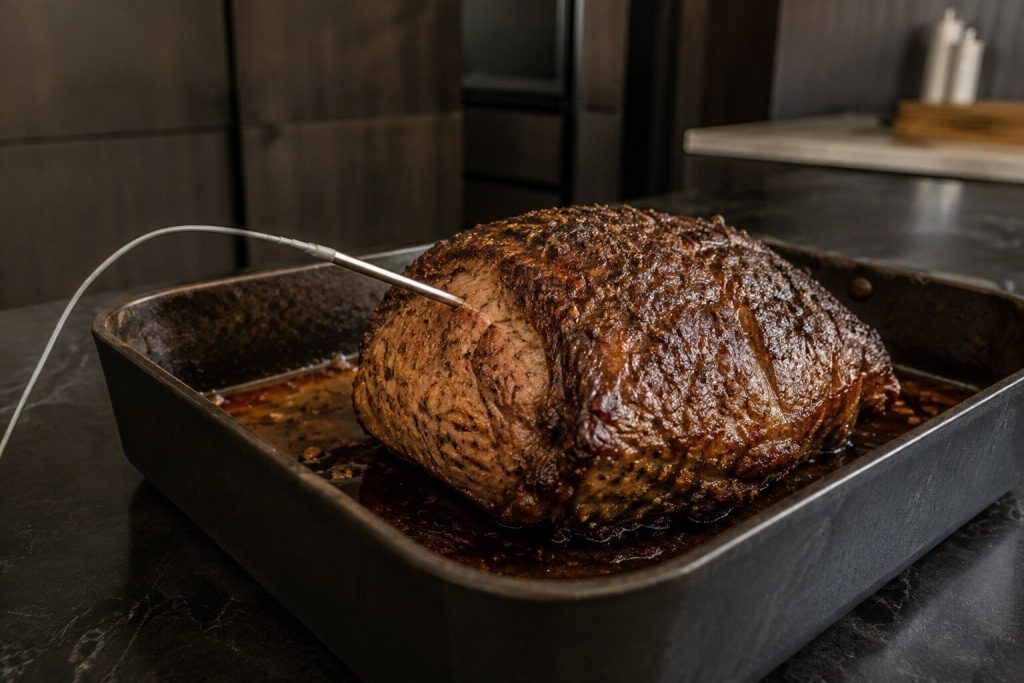
The Temperature Probe and the Sous-Vide Probe: Two Sockets, Two Jobs
A feature guide that doubles as a repair guide, because FD is the probe circuit and most probe complaints are a lead that has been trapped in a door.
Read more -
Locked Controls on a Monogram Appliance: Where the Lock Hides on Each One
Four different appliances, one problem, and no repair at the end of it. A wet cloth across a touch panel switches these on more often than people do.
Read more -
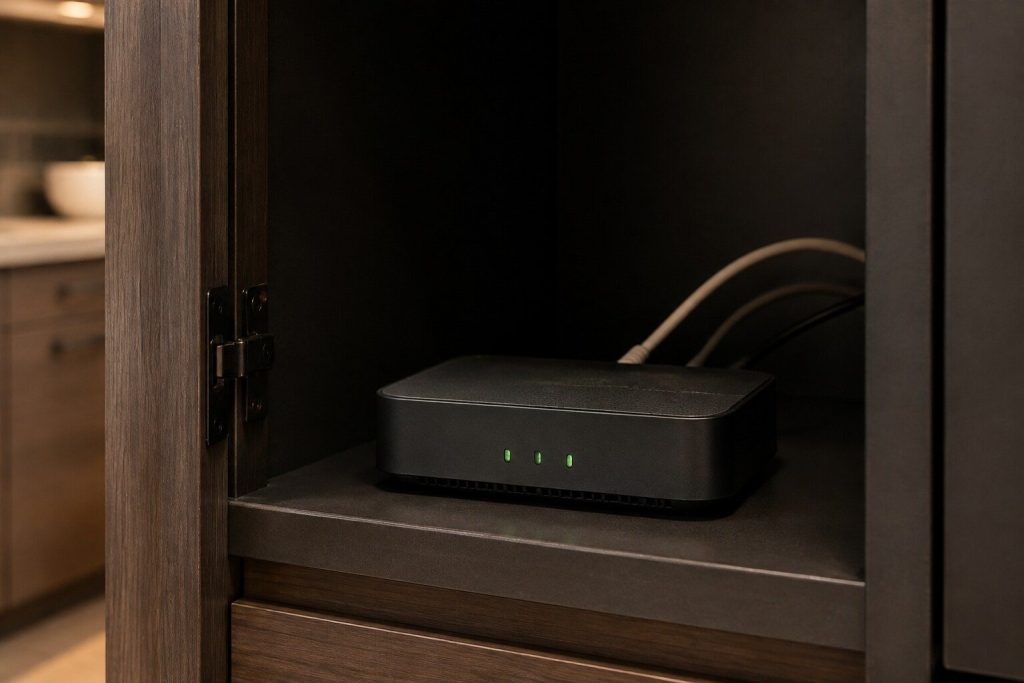
Connecting a Monogram Appliance to SmartHQ, and What It Is Worth
Worth having for one thing this site genuinely cares about: an alert that a cabinet has drifted, days before anybody opens the door. It diagnoses nothing.
Read more
Tell us the model number and what it is doing.
This article is based on:
- Official manufacturer documentation
- Internal repair procedures
- Technician repair history
- Company quality standards